Till the 1960s Naliboki Forest, which is situated in the north-western Belarus, was a greatly swamped terrain, where on the area about two thousands km2 swamps of various types and sizes were interspersed with dry land forests the terrain-wide. Open grassy marshes constituted about 19% of the terrain. Approximately a third part of the forest habitats that covered about 76% of the area were swamped too (Sidorovich, 2016). Such a swamped forest was either in kinds of black alder and downy birch mixture (with prevalence of one of the species) or that was raised bogs with suppressed or normal pines. Continue reading “Dramatic situation in the beaver population in Naliboki Forest in relation to hotter and drier summers nowadays”
Pilot book about the Eurasian lynx ecology and behaviour has been published

Survival of the ten pups in that large wolf family in Naliboki Forest: an intermediate report
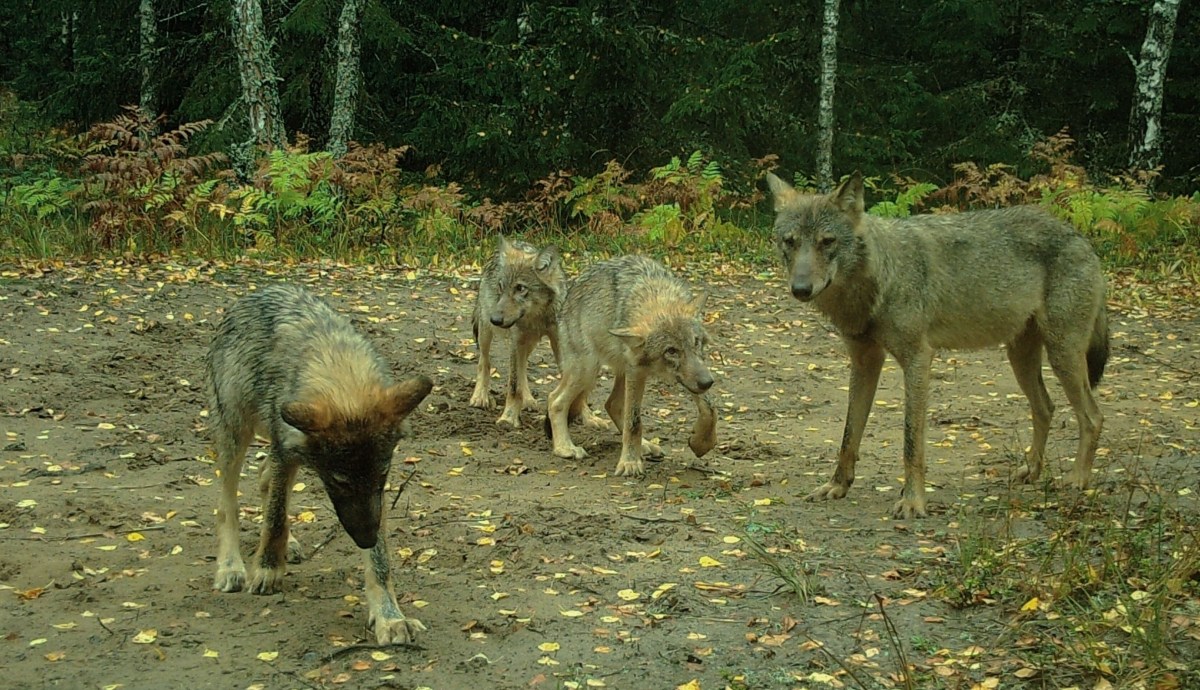
In one of the previous posts I reported about presence of the large family of wolves in Naliboki Forest that in the last July (i.e. July of 2018) consisted of founding male, two breeding females, two litters with ten pups altogether and two pup-sitters, which were almost all the time with the pups. Presence of these pup-sitters was connected with the extra care of parents to save pups from lynx attacks. The last years in Naliboki Forest in the conditions of the high number of lynxes (3-5 inds per 100 km2) wolf pup survival was very low; e.g. only about 4% of the wolf pups that were born in the spring of 2017 survived till the winter of 2017-2018. The occasions that wolf pups were killed by lynxes were numerically registered in Naliboki Forest earlier. Continue reading “Survival of the ten pups in that large wolf family in Naliboki Forest: an intermediate report”
Story of the brown bear in Naliboki Forest and the peculiarity of the on-going recolonizing of the terrain by the species
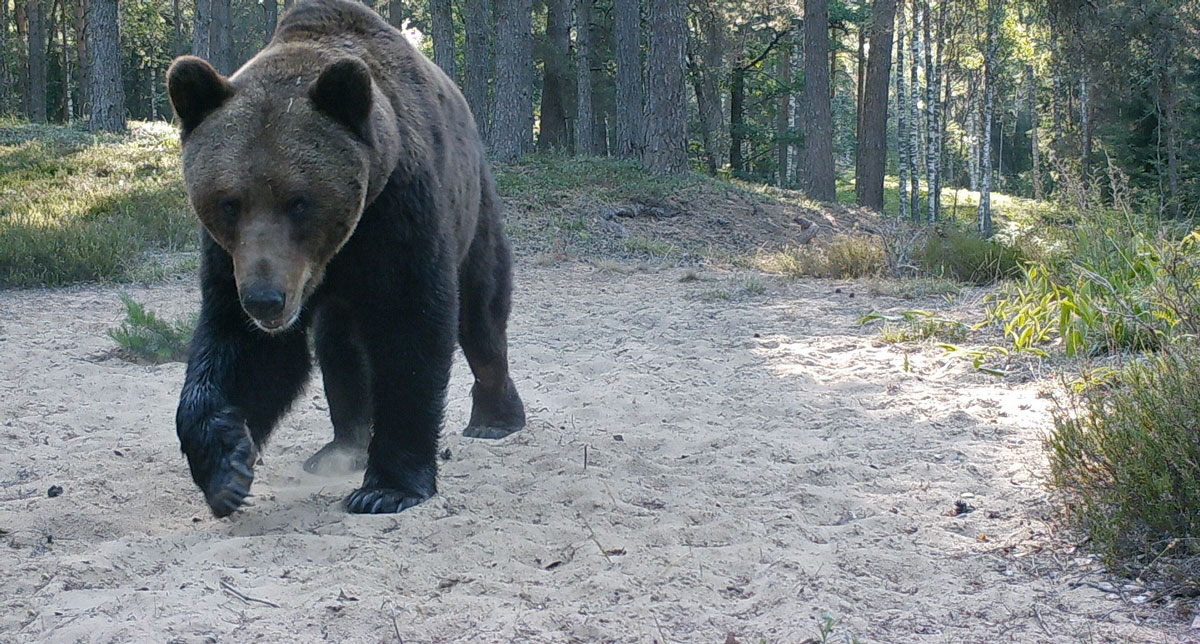
This post is not just about the story of brown bears in Naliboki Forest, but mainly about the registered peculiarity of the on-going recolonizing of this terrain by the species. At the same time, the whole story of brown bears in Naliboki Forest (as far as it is available to learn) is interesting too and will add extra information for better realizing of the current situation. Continue reading “Story of the brown bear in Naliboki Forest and the peculiarity of the on-going recolonizing of the terrain by the species”
Non-howling silent wolves in Belarus

Every time rereading the excellent wolf monograph by Mech and Boitani (2003), in particular, the item about wolf communication by Harrington and Asa, I was surprised to find out how rich voice-communication of wolves in North America and somewhere else can be. In my study areas in Belarus (look like in the whole country) I can characterize wolves as non-howling let’s say silent. More and more I become convinced that wolves in Belarus avoid to produce any loud noise.
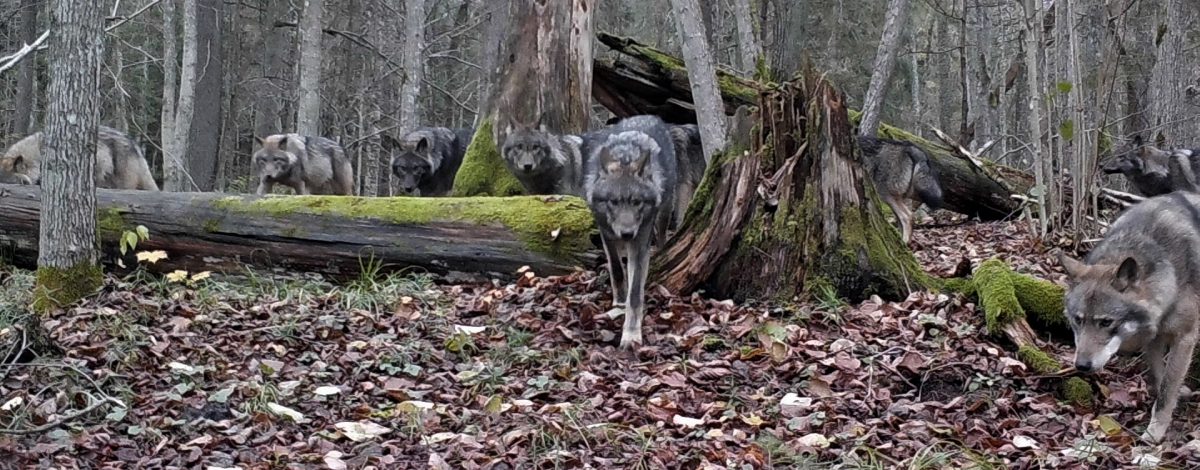
Two wolf litters, two breeding females, founding male and two pup-sitters on a camera-trap in Naliboki Forest
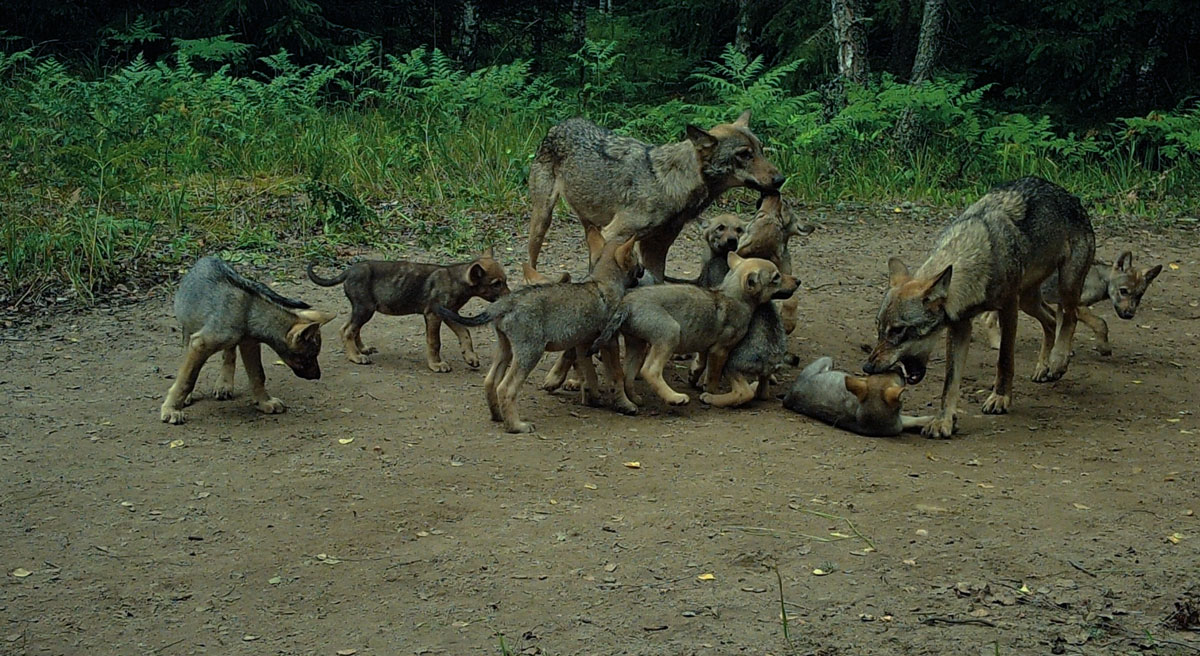
This post gives the documentation by a camera-trap of two different litters (10 pups altogether), two breeding females of the same wolf pack, the founding male and two pup-sitters in Naliboki Forest. The last feature is particularly essential. One or two pup-sitters were present at pups on about 60% of the hundreds of photos taken. It looks like we have registered the features of another trend in the wolf denning behavior that we haven’t faced with before the lynx got common. That is when breeding wolves use pup-sitters to save their pups from the lynx aggression (see another post for other details), when they go for hunting.
Why do wolves roll in engine oil on forest roads during early summer?

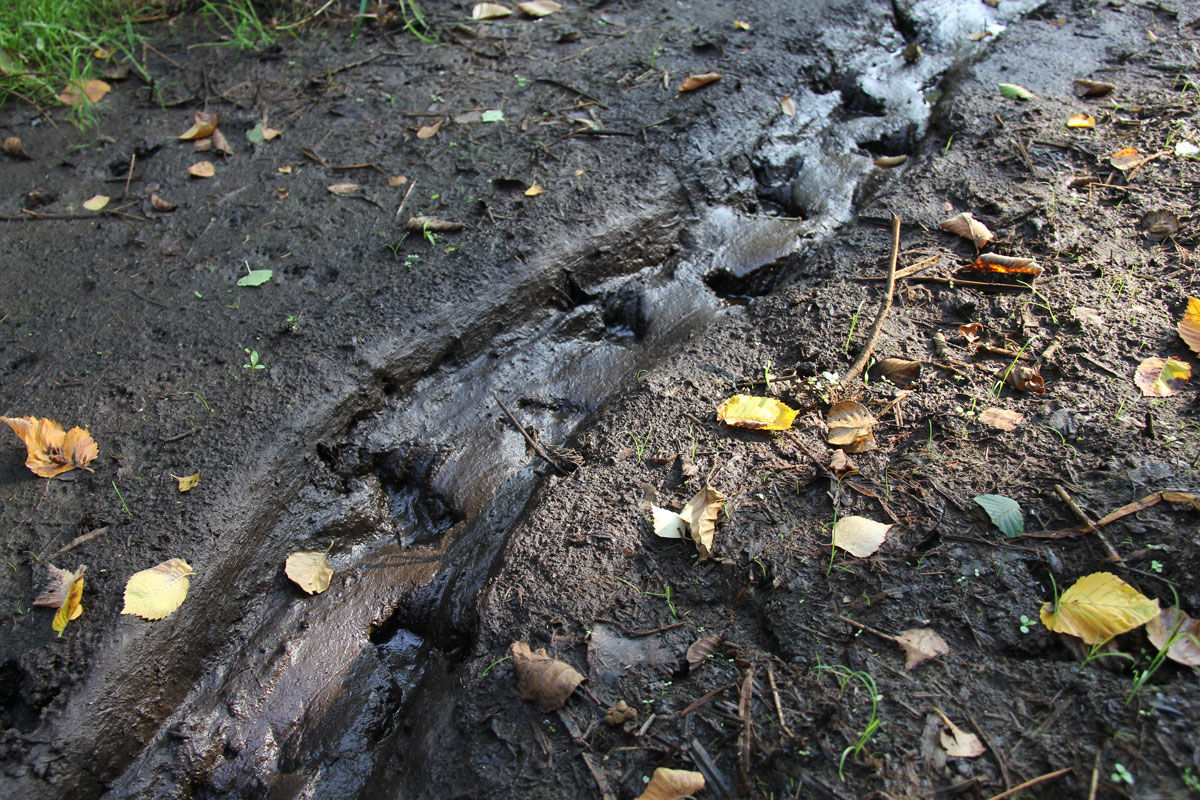
In Belarus during many years of study on wolves in the early summer (May-June), when I was investigating denning in wolves, I noticed numerically that wolves roll in engine oil on forest roads once and again. The same red foxes do sometimes. Lynxes do that, too. Later in July-September wolves and other carnivores almost stop this habit.
Continue reading “Why do wolves roll in engine oil on forest roads during early summer?”
Why do lynxes visit road pipes?

In Belarus lynxes quite often visit road pipes. In the warm season, they mainly use road pipes without running water. In winter, when water is covered with ice, almost all pipes that are large enough are in lynx usage.
Trends in the denning behaviour of the wolf and lynx in connection with the changes in the vertebrate community in Naliboki Forest (north-western Belarus)
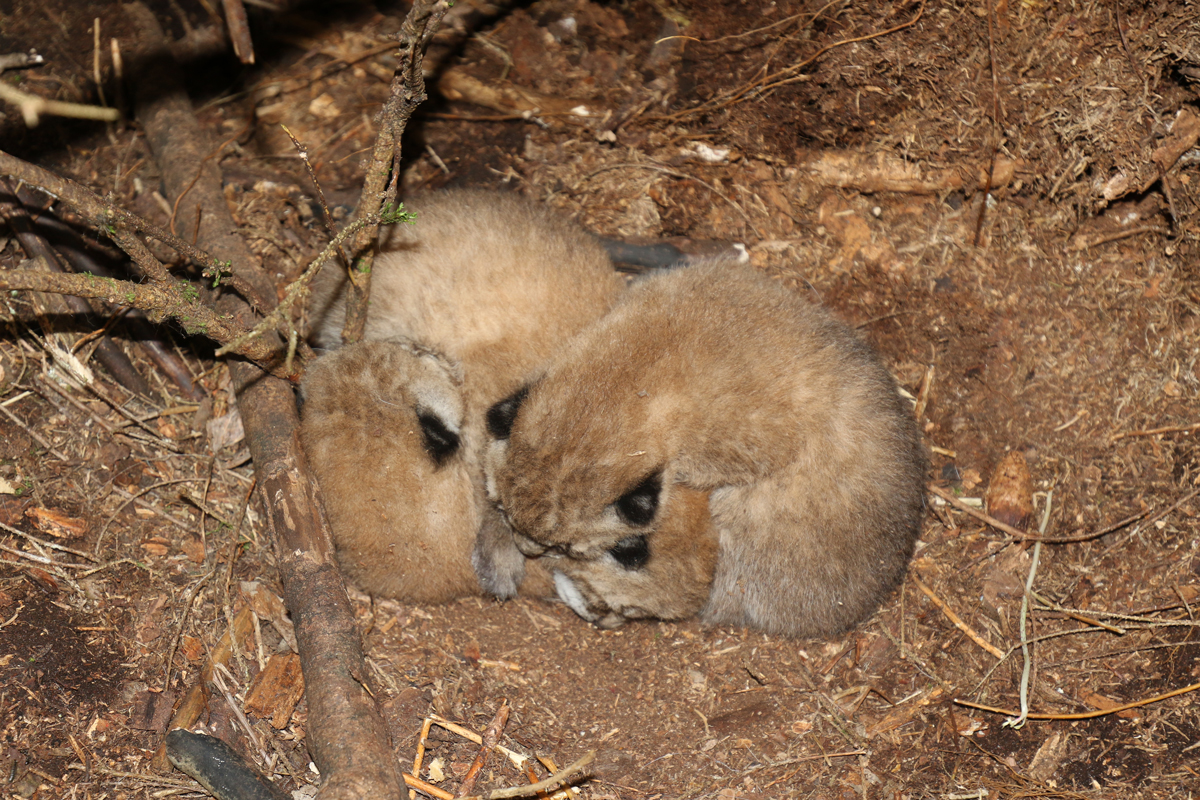
By investigating the denning behaviour and ecology of wolves (Sidorovich and Rotenko, 2018) and lynxes in Naliboki Forest, we faced with several evident trends during the last years (2016-2018) that we connect with the changes in the local vertebrate community or more specifically with the pronounced changes in the population densities of those species that may affect the denning conditions for wolves and lynxes.
Continue reading “Trends in the denning behaviour of the wolf and lynx in connection with the changes in the vertebrate community in Naliboki Forest (north-western Belarus)”
Seemingly strange in the wolf life things
Wolves frequently use surprising things such as plastic or glass bottles, metal or plastic cans, rubber or leather boots, bones, antlers etc. They carry them, gnaw them, play with them, demonstrate them to another wolf etc. In my research practice on wolves I registered such a wolf behavior for many times, and gradually I started […]

Wolves frequently use surprising things such as plastic or glass bottles, metal or plastic cans, rubber or leather boots, bones, antlers etc. They carry them, gnaw them, play with them, demonstrate them to another wolf etc. In my research practice on wolves I registered such a wolf behavior for many times, and gradually I started realizing, why wolves deal with the mentioned seemingly strange things. I might be not entirely right in the ideas, but anyway would like to share them as well as the photos taken.
Continue reading “Seemingly strange in the wolf life things”
 Zoology by Vadim Sidorovich