Co-authors: Louise Giovannelli and Irina Rotenko
Usually, from May until the end of September, wolves engage in territorial marking only sparingly. Breeding individuals, in particular, tend to avoid excessive marking. Non-breeders continue territorial marking at levels similar to those in the cold season, or even noticeably less.
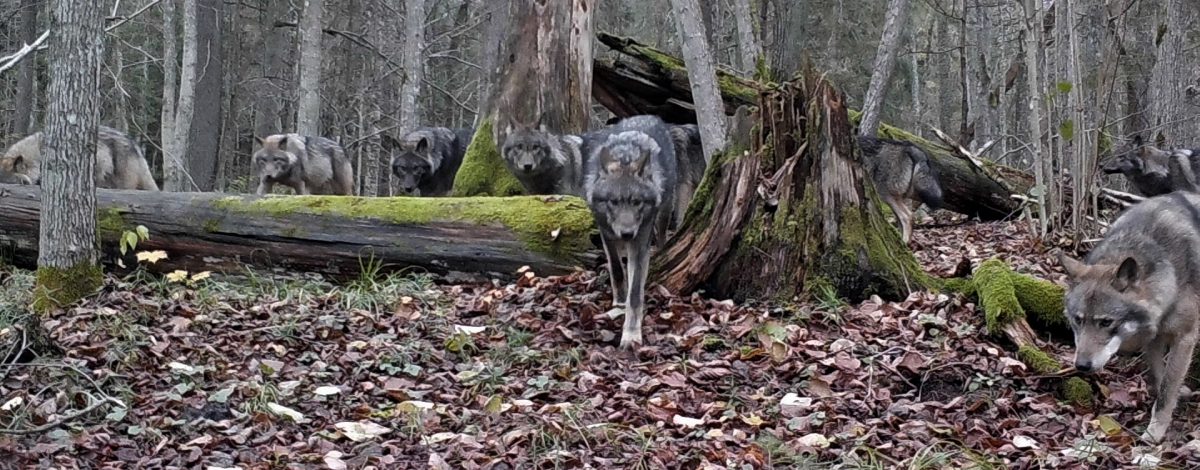
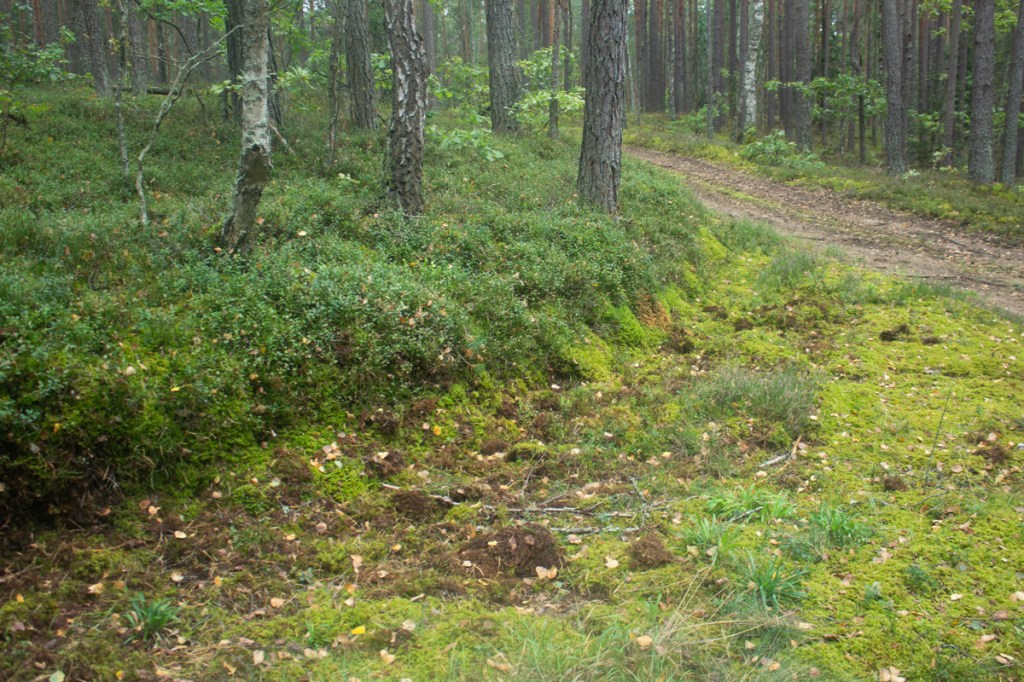
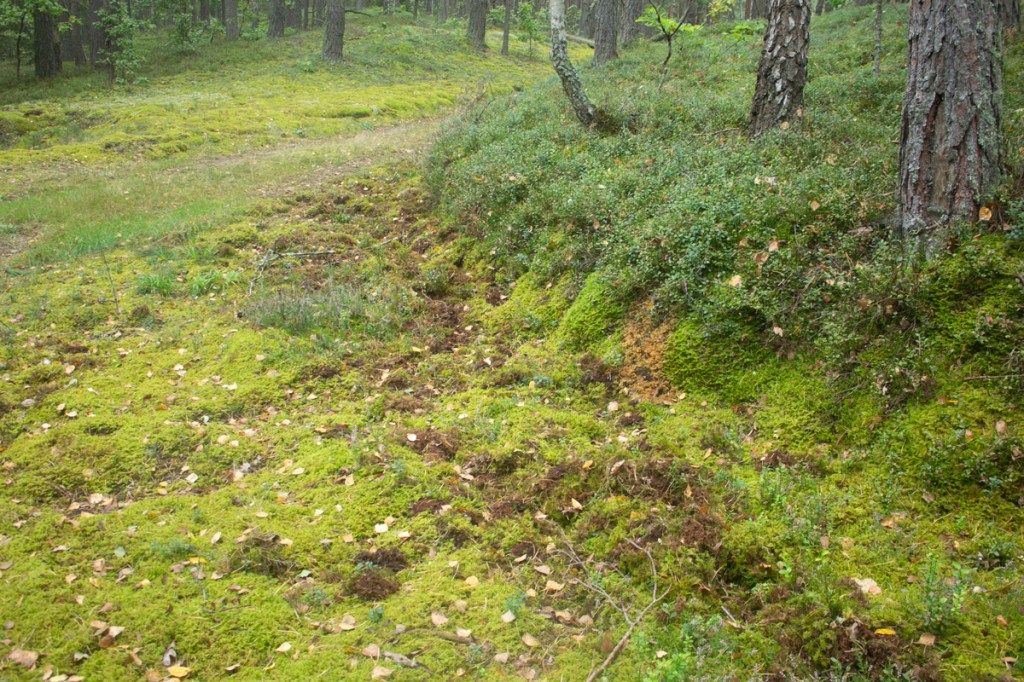
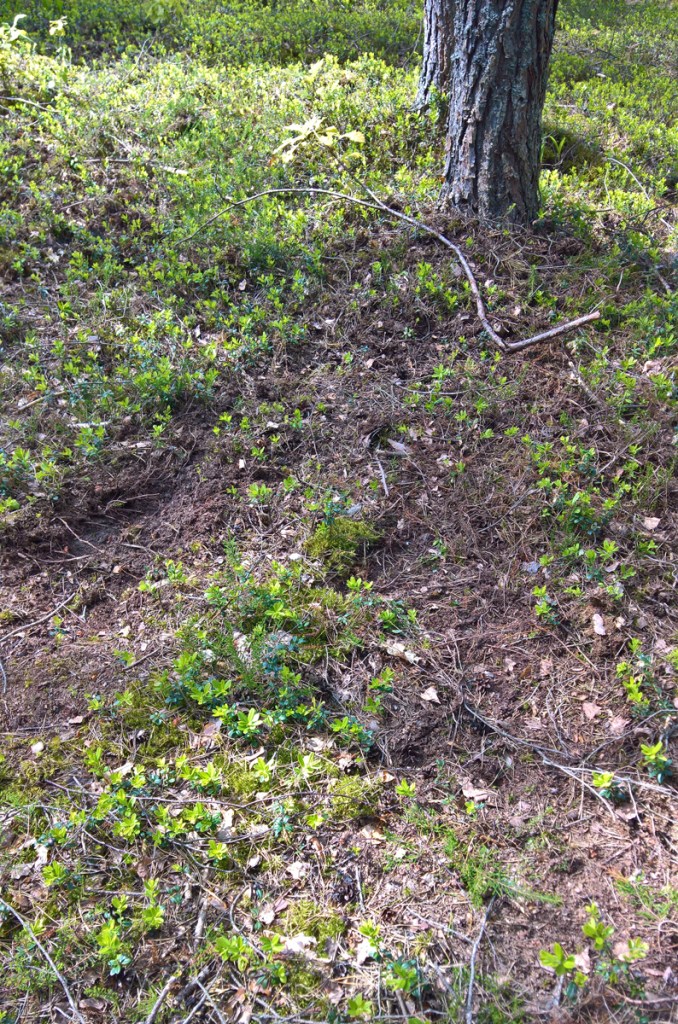
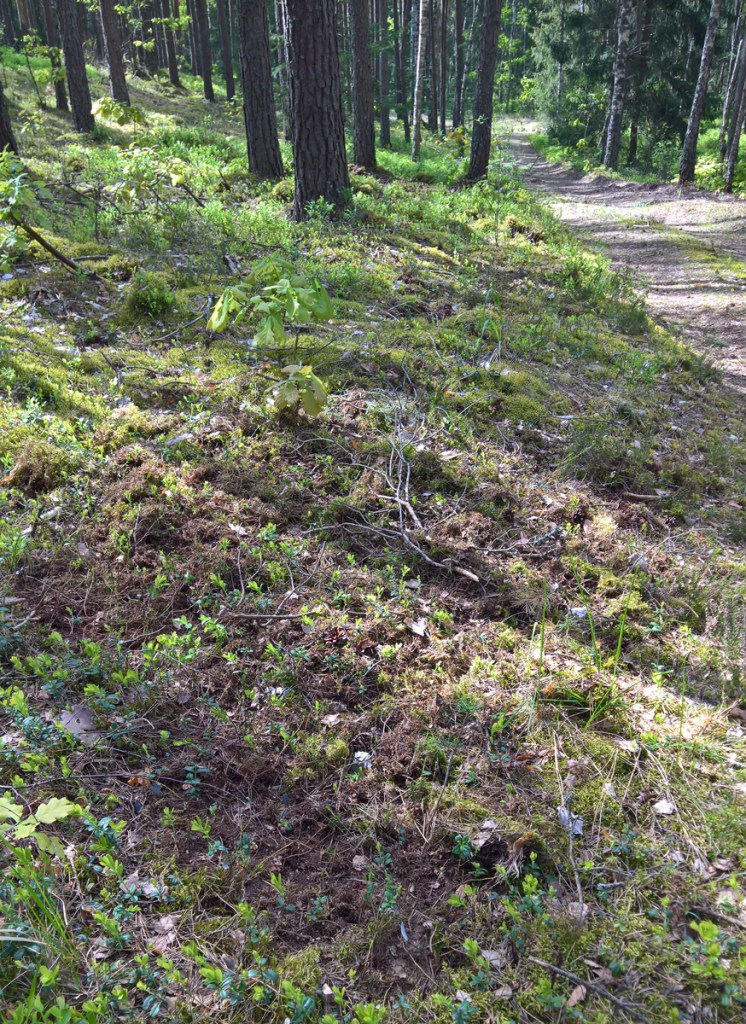
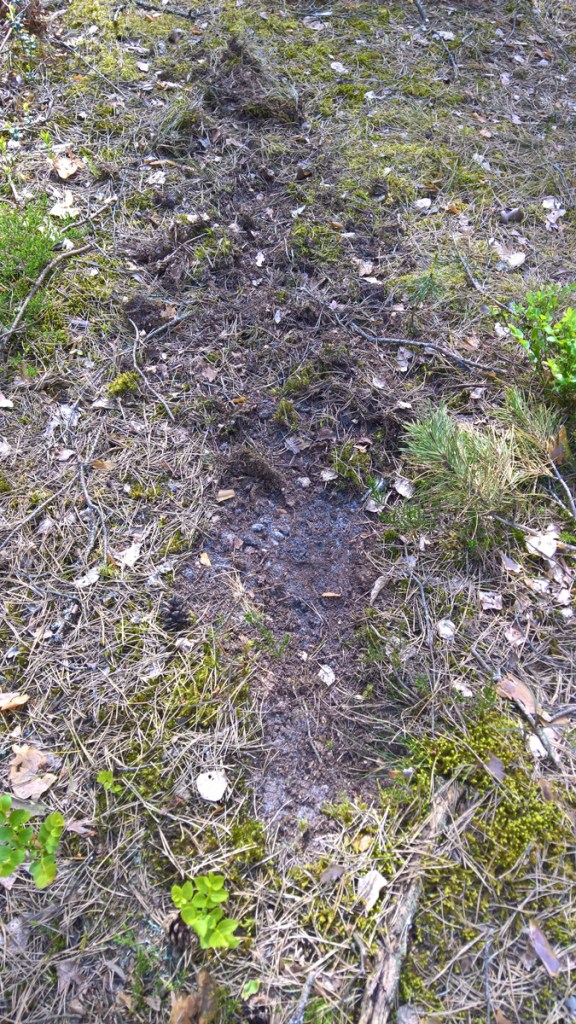
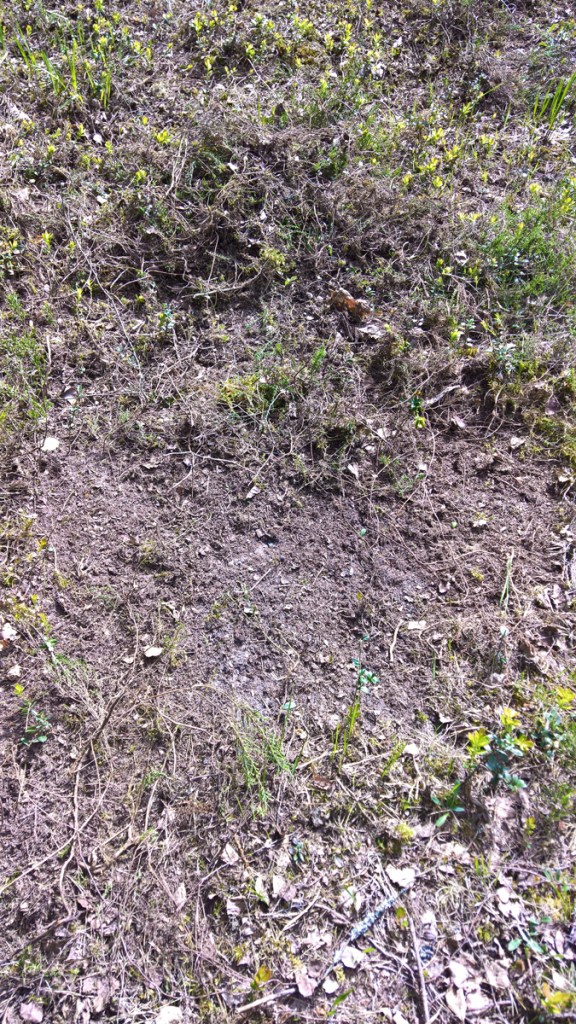
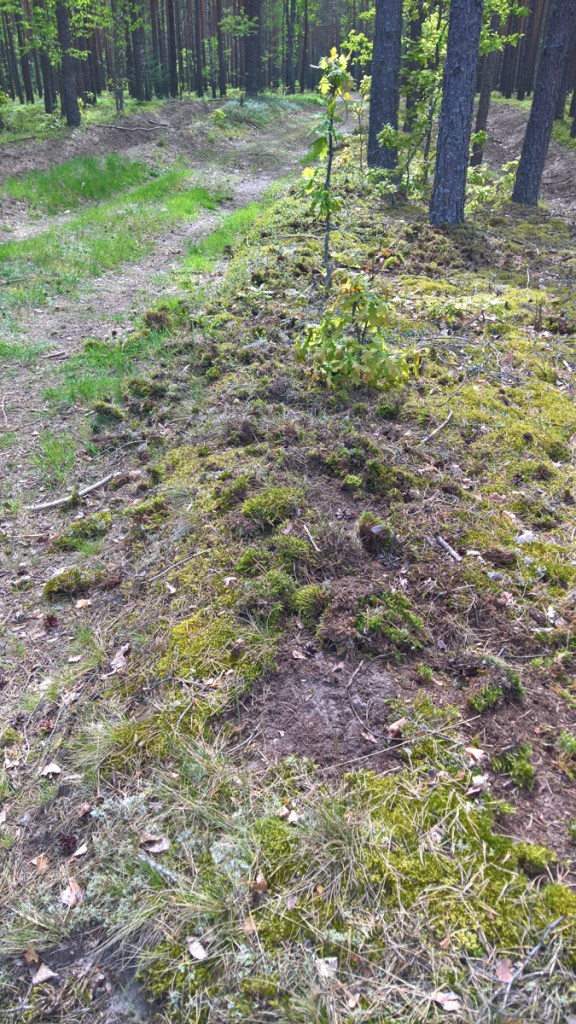
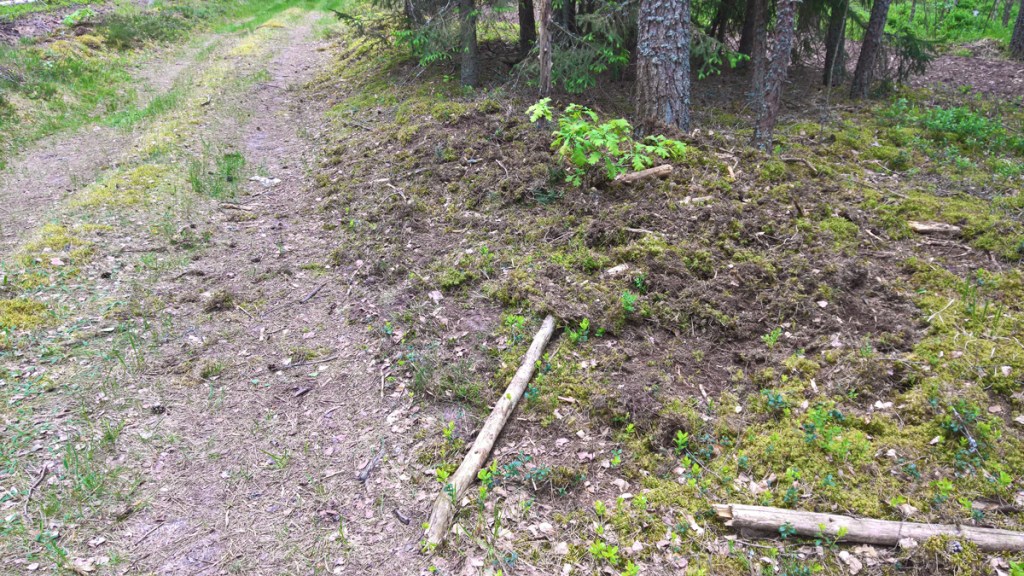
However, in four documented cases over the past two decades (specifically during July to September) we observed abnormally frequent marking by wolves. A striking feature of all four cases was that it was breeding wolves who exhibited this unusually intense marking behavior.
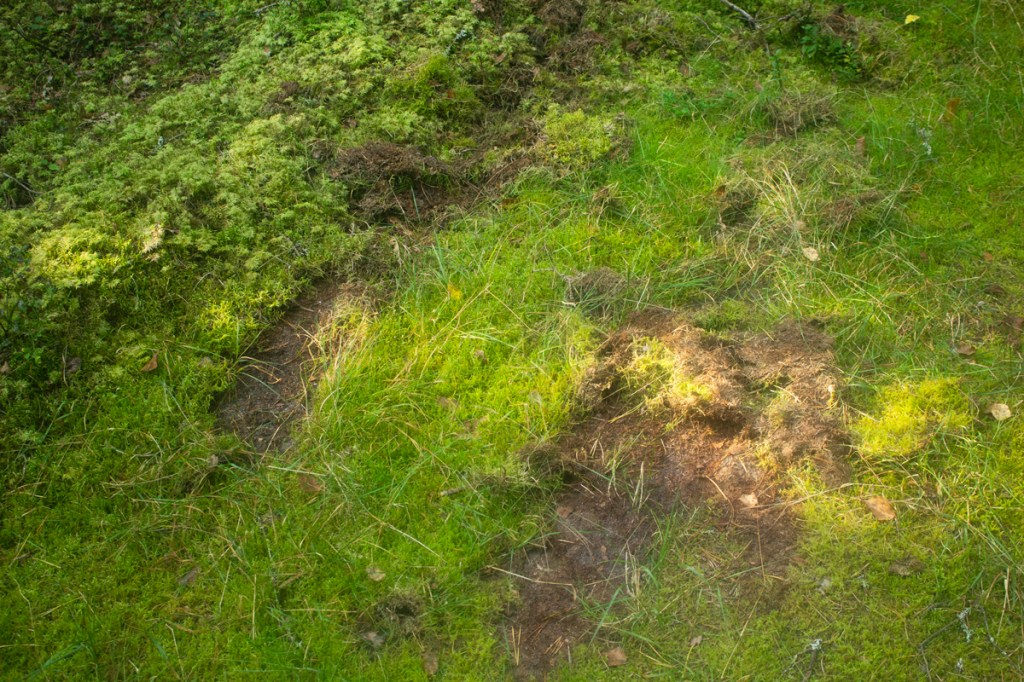
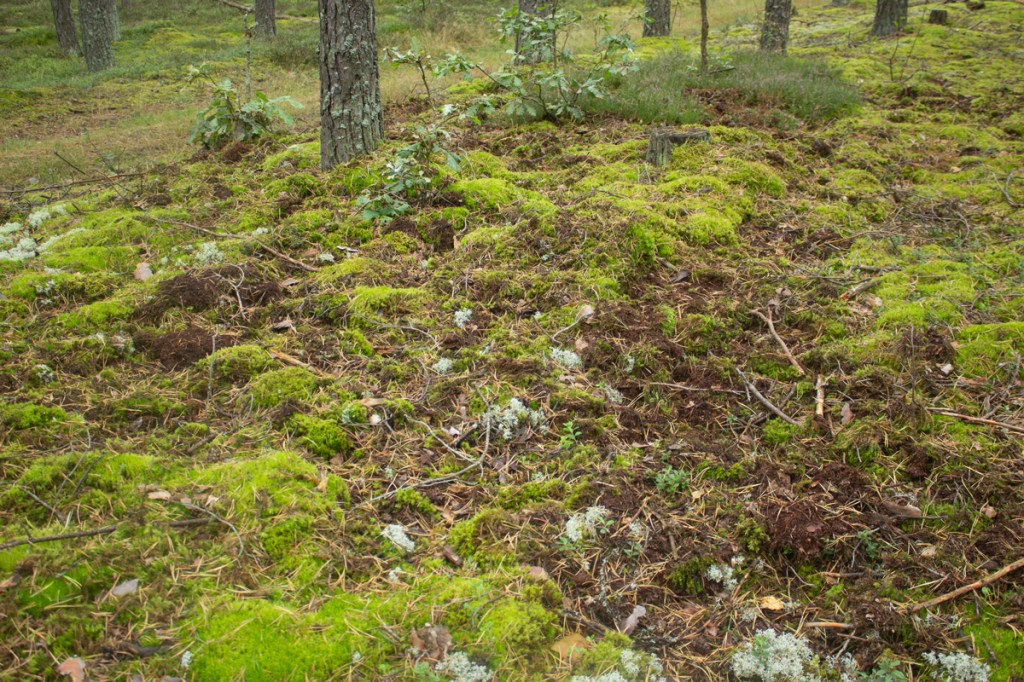
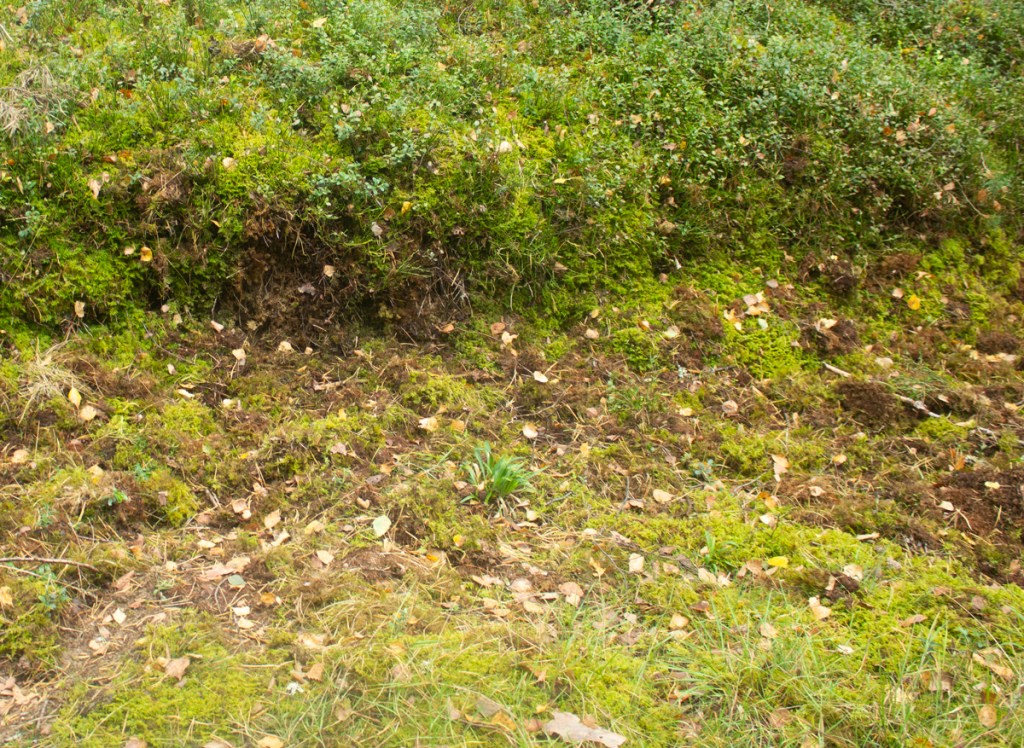
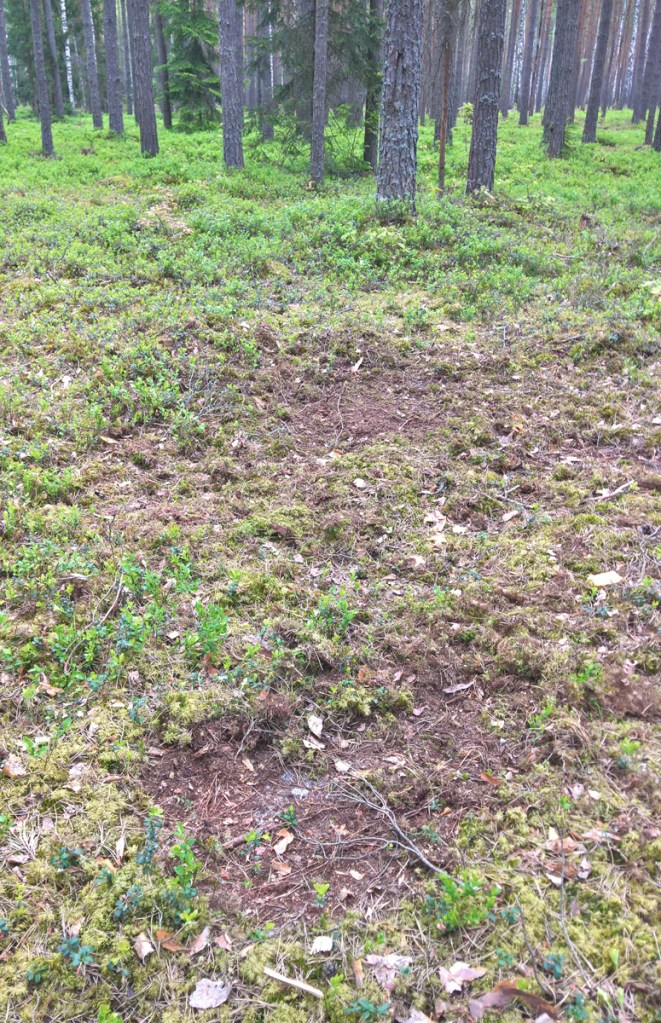
The marking occurred within areas of approximately 4 to 7 square kilometers. Along forest roads, relatively fresh wolf markings (left within the previous 20–30 full days) were found spaced up to about 300 meters apart, with an average distance of 120–180 meters. In many places, continuous marking stretched for several hundred meters.
In each of these four cases, the wolf parents had suffered attacks from adult male lynxes (four cases) and an adult male brown bear (one case). These aggressive lynxes and the bear killed some of the wolf pups and were frequently present in the areas where the surviving pups continued to roam.
In two cases, the wolves were engaged in double-breeding (two mothers and one father), while in the other two, they were single-breeding pairs.
From these observations, we concluded that the exceptionally frequent marking by the parent wolves served as a kind of menacing message to the aggressors. Unable to drive away the killers of their pups directly, the wolves appeared to be communicating their presence and defiance through intensified territorial marking.
 Zoology by Vadim Sidorovich
Very interesting, Vadim. Were they mainly scent (urine) markings with scratch marks?
LikeLike
Dear Gerard, yes, it is. Thanks a lot for the attention to the blog. Warm regards, Vadim
LikeLike