Between 1987 and 1992, I conducted regular studies on otters at the Vilija-Minsk water supply canal. The research primarily focused on assessing the otters’ diet within this artificial habitat and analyzing their distribution along the canal and its surroundings. However, the study was not completed as initially planned. Since last autumn, I have resumed my research on otters in the area, although behavioral aspects were largely unexplored in the past. Now, we are examining otter behavior using camera traps.
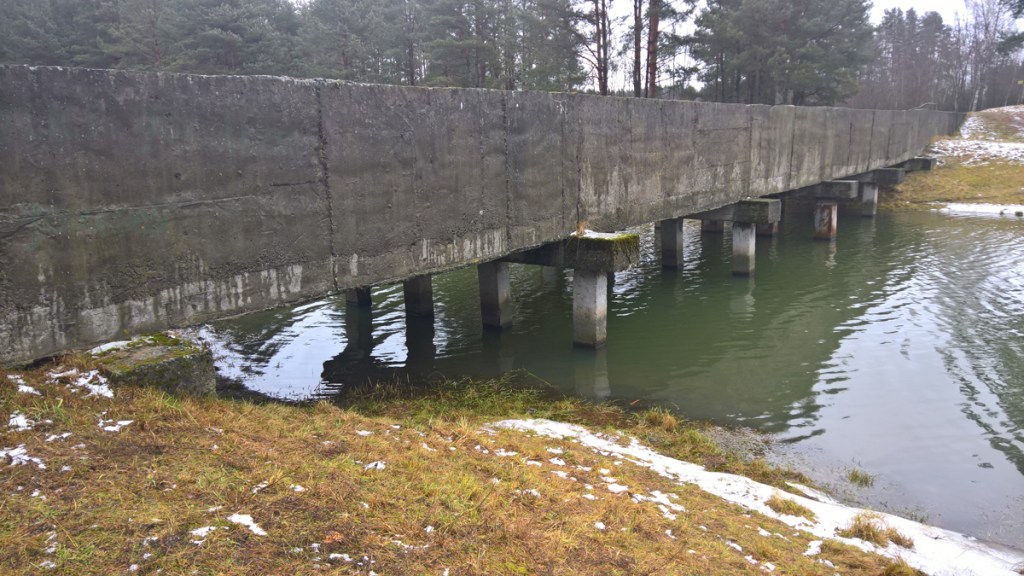
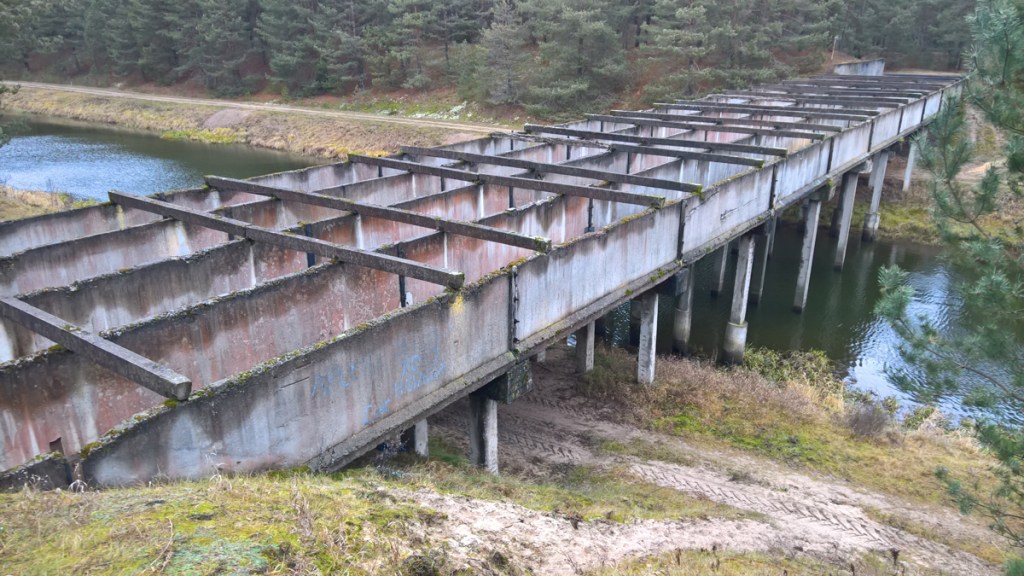
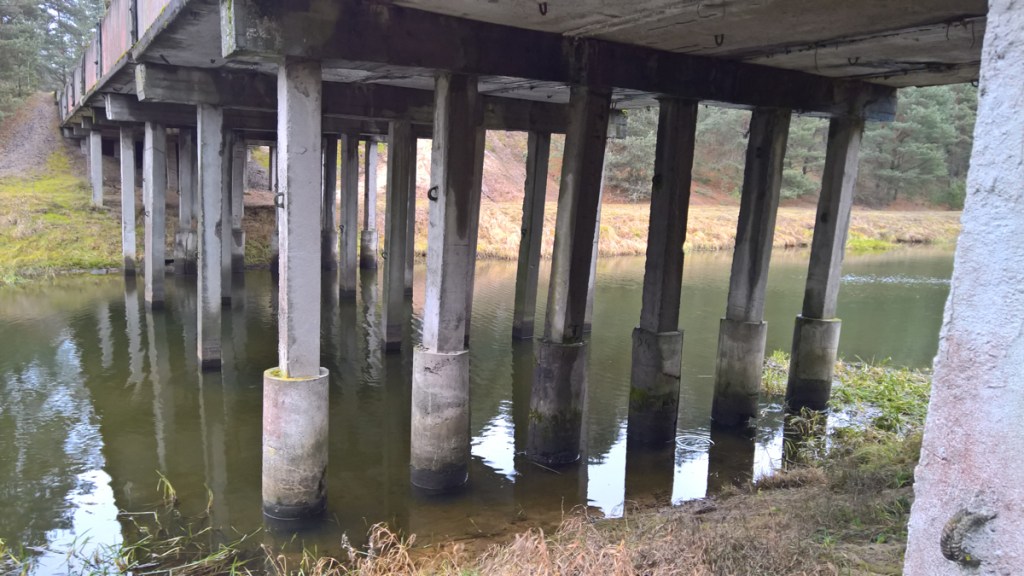
The Vilija-Minsk water supply canal is a water-rich structure built between 1968 and 1976 to provide water to the city of Minsk. Along its length, six massive pumping stations lift water to maintain its flow. In the canal surrounding there is dense river network of the Ilija river (the canal upstream) and Svislach upper riches (the canal downstream). In the canal upstream despite numerous crossings between the canal and these rivers, the canal does not directly connect with the Ilija river’s catchment, thanks to concrete barriers that separate them. Interestingly, otters make extensive use of these concrete structures.
My research on otters at the canal has focused primarily on its upper section, where the canal runs through the Ilija catchment and relies on pumping stations for water movement. This part of the canal is characterized by an abundance of concrete structures, creating unique habitat conditions for otters. In contrast, the lower portion of the canal resembles a water-rich drainage system, offering more conventional conditions for otter habitation.
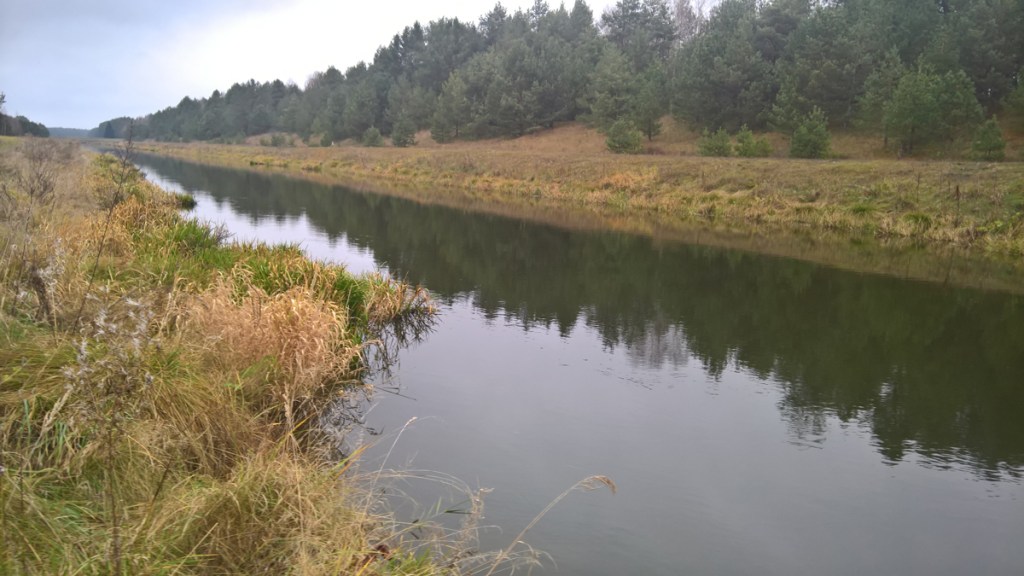
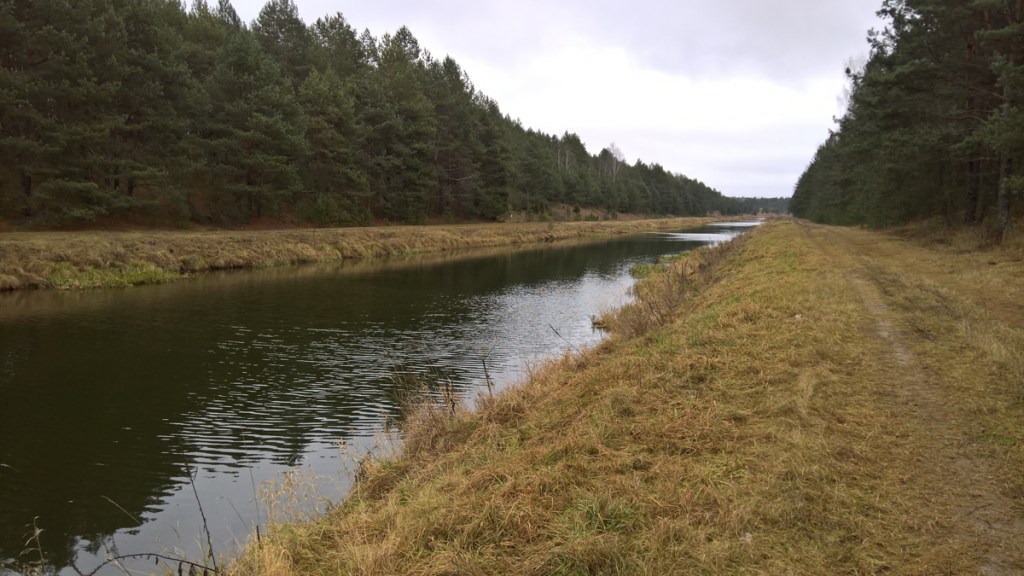
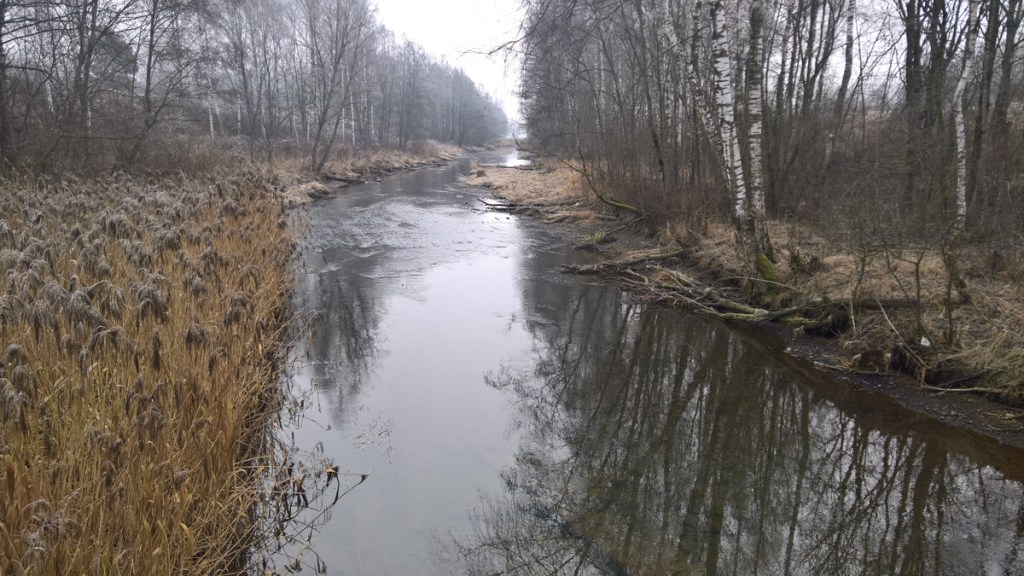
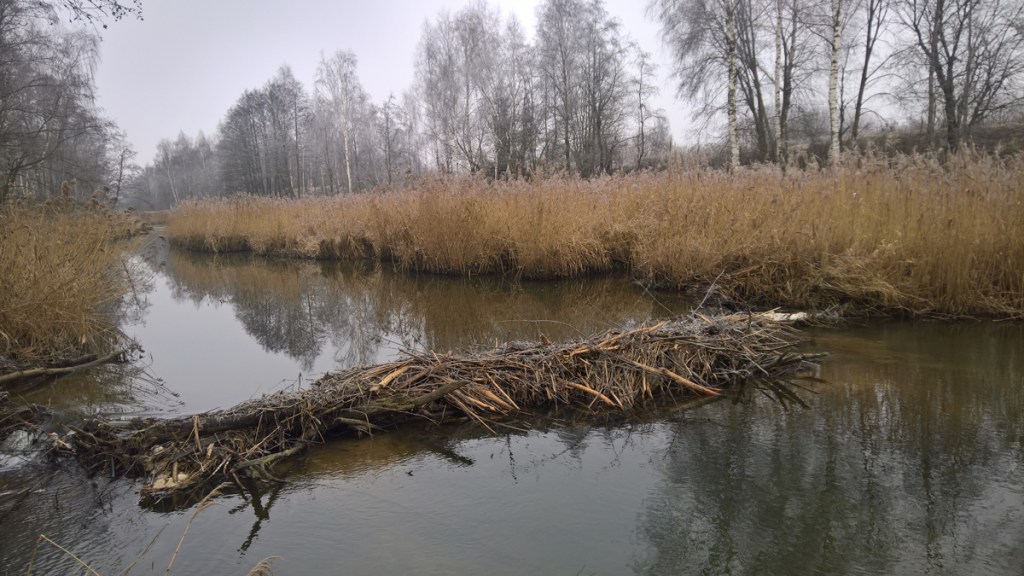
The primary findings from my study on otters at the canal and its surroundings between 1987 and 1992 revealed that fish was the dominant component of their diet, accounting for 89% to 94% of the total consumed biomass. During the warmer months, otters were commonly observed at the canal and in nearby sections of adjacent rivers, extending up to one kilometer away or where the canal intersected with waterways. However, otters were scarce in river sections that were farther from the canal.
In contrast, during the ice-bound season, otters abandoned the canal and shifted their habitat entirely to the neighboring rivers, inhabiting all their accessible stretches. Even when the canal was covered with ice, certain spots still provided access to open water, allowing otters opportunities to forage. Nevertheless, otters were not registered in such places at the canal anyway.
During winter, safe shelters are scarce along the canal. When temperatures remain above freezing, otters can use rainfall pipes as suitable refuges. These pipes, measuring four meters in length, have entrances close to the canal, allowing otters to quickly escape into the water if threatened. However, when the canal becomes ice-bound, this escape route is no longer an option, making the pipes unsafe as shelters. As a result, otters abandon the canal for the entire winter and relocate to the nearby small rivers. Although these rivers offer significantly less food, they provide ample shelters and sufficient access to open water for foraging.
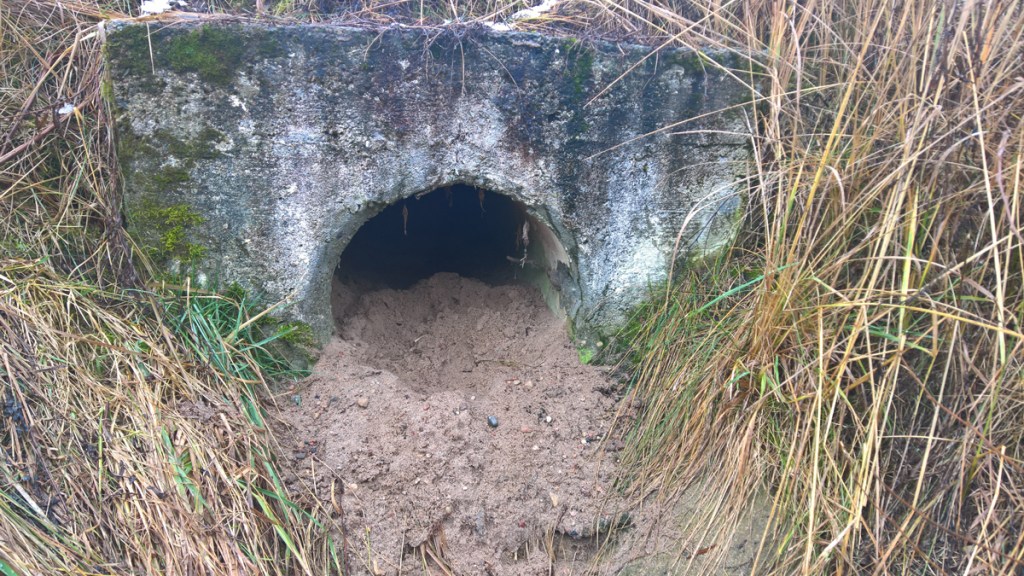
On the photos and videos below you see otters and their signs, when otters use rainfall pipes at the canal. They use such pipes for marking, sleeping, grooming, sheltering and drying wet fur.
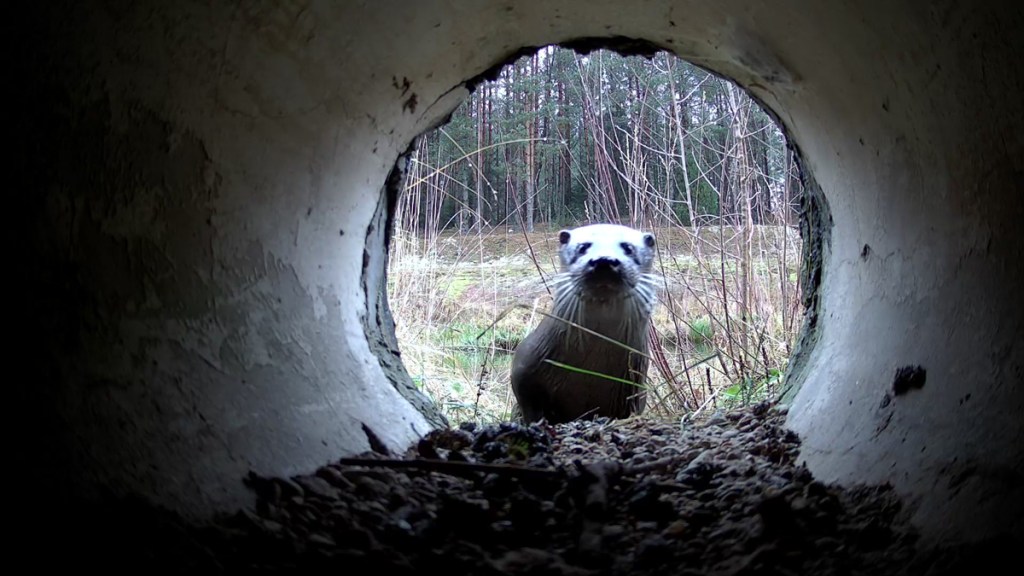

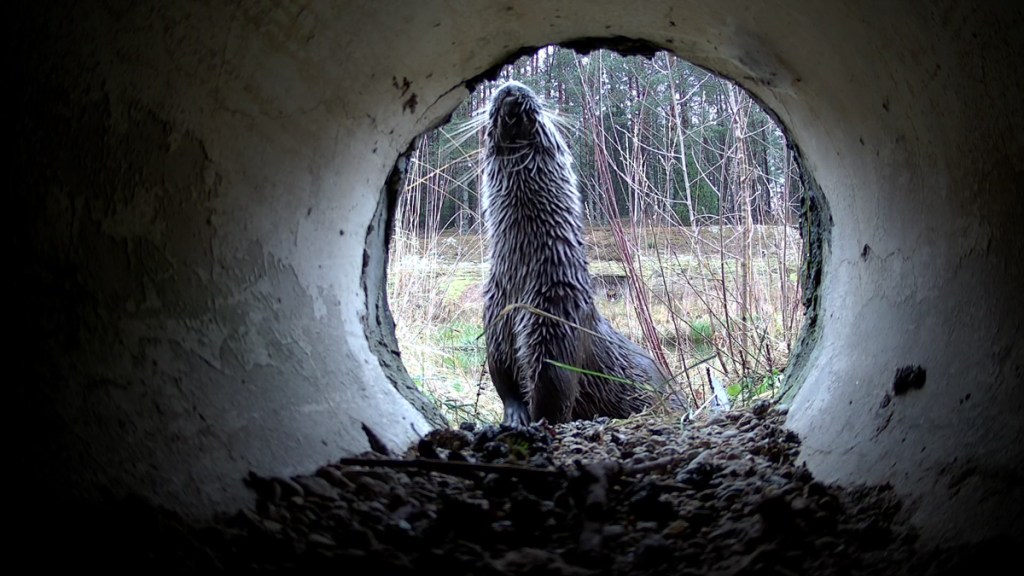
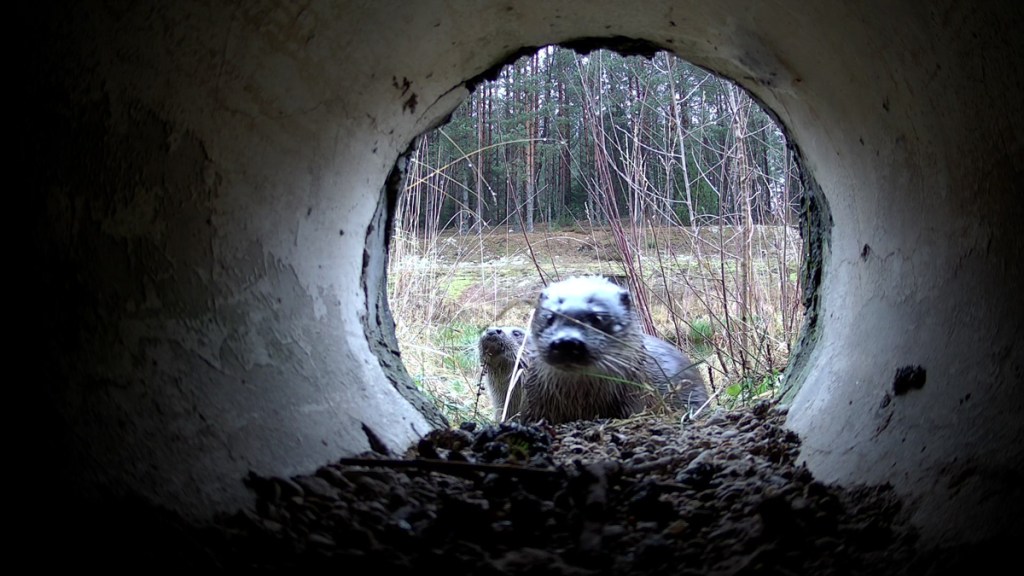
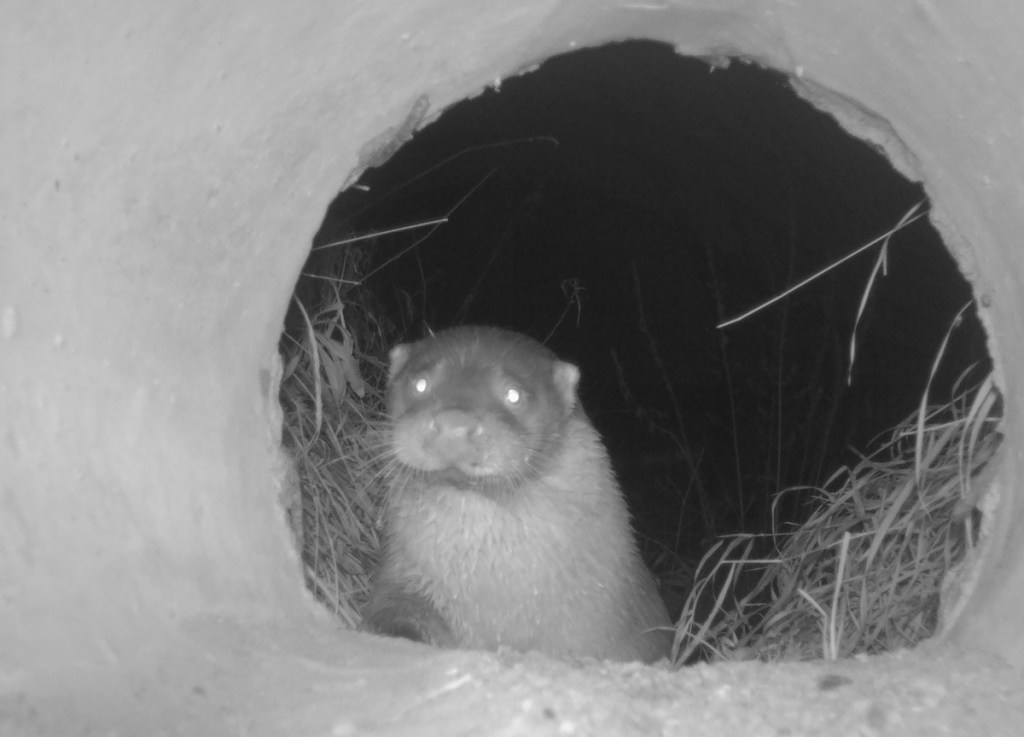
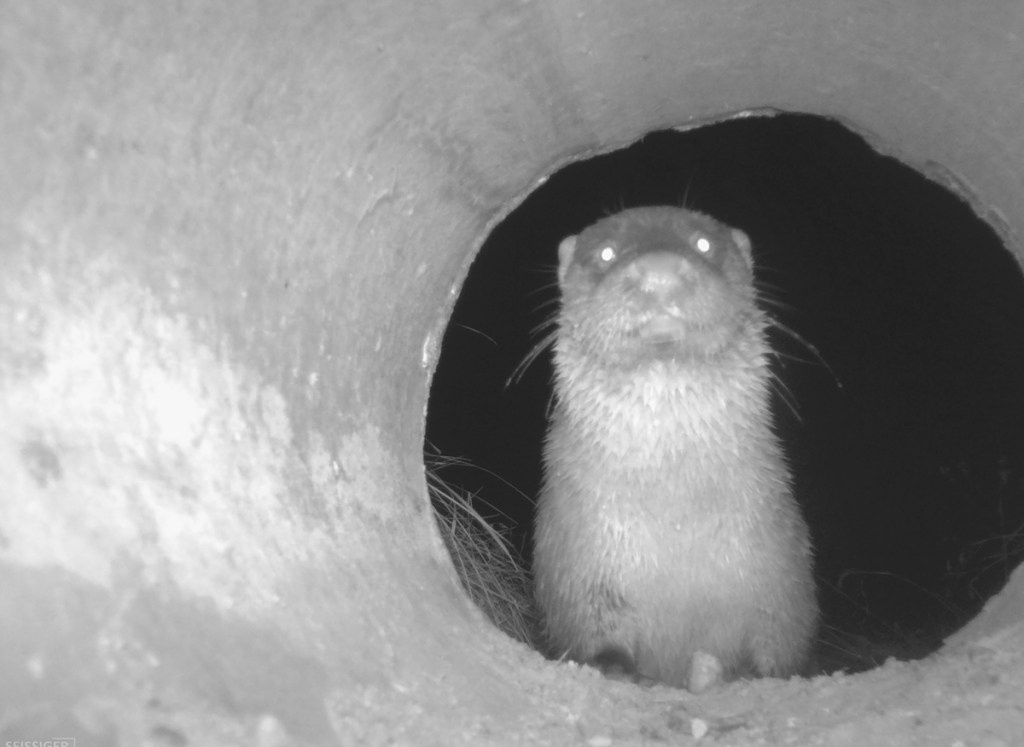
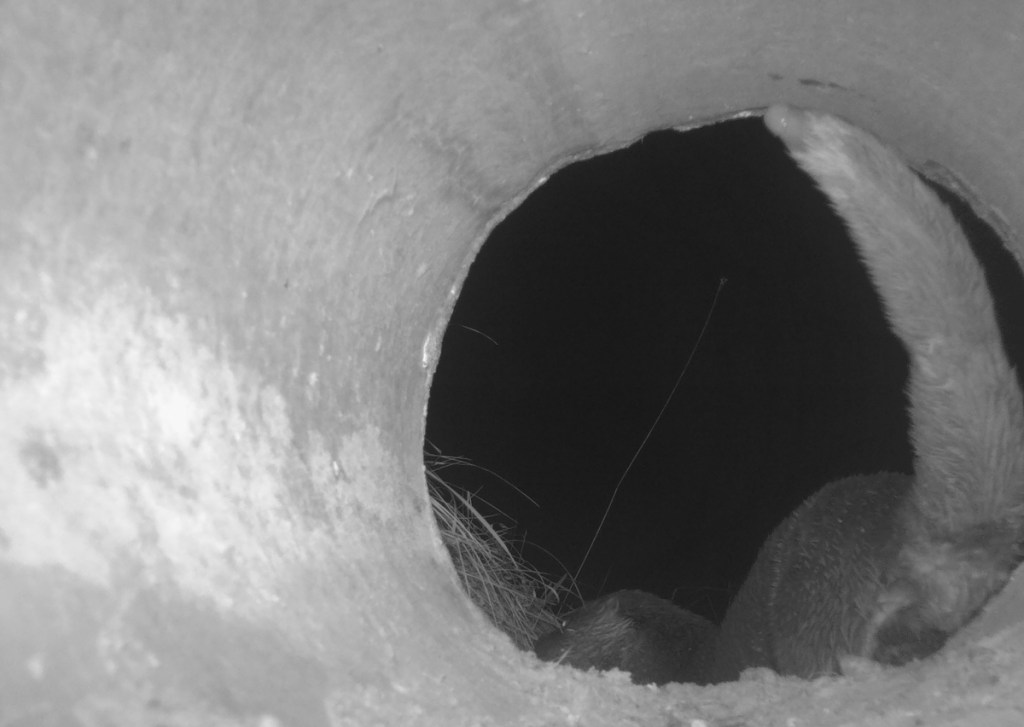
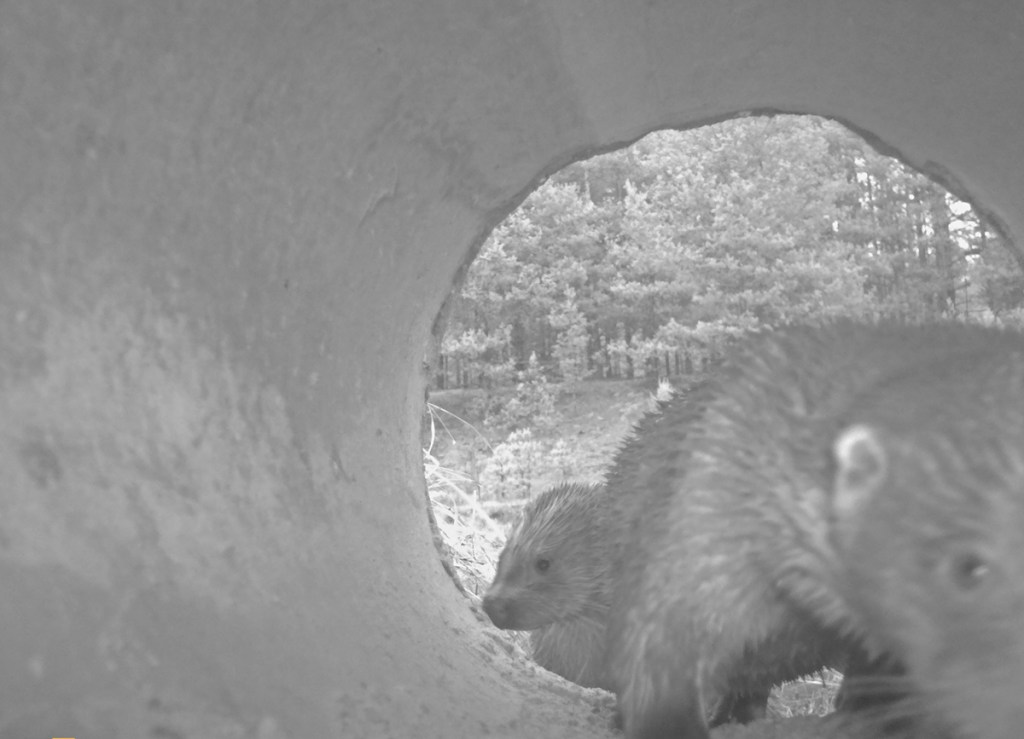
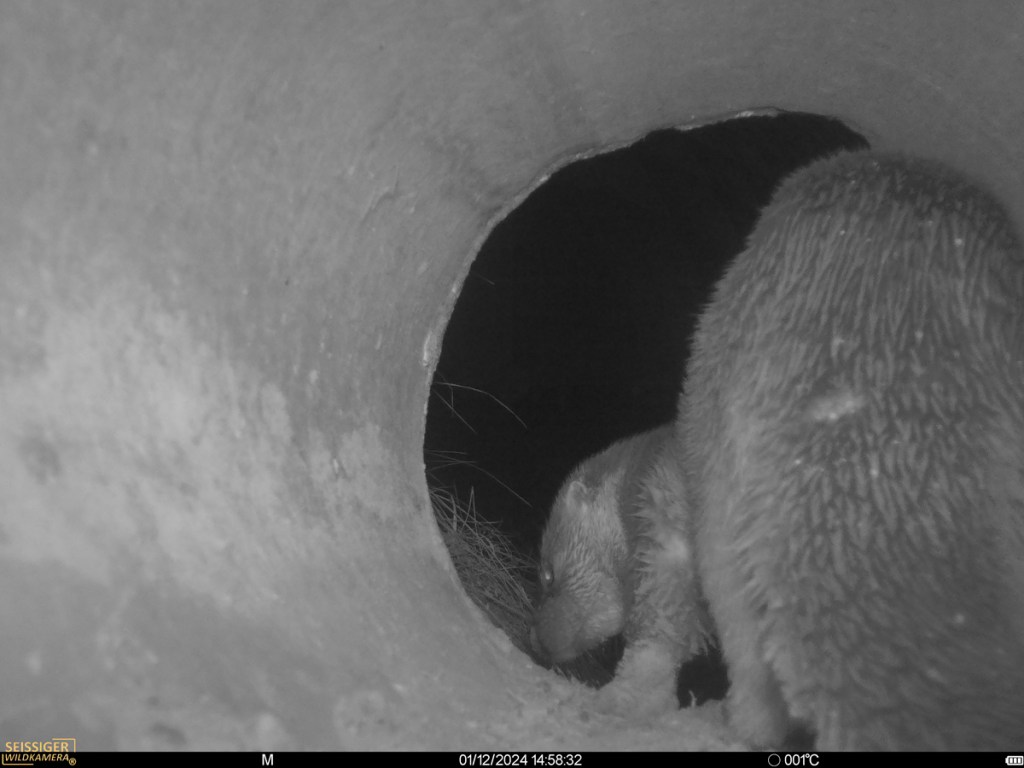
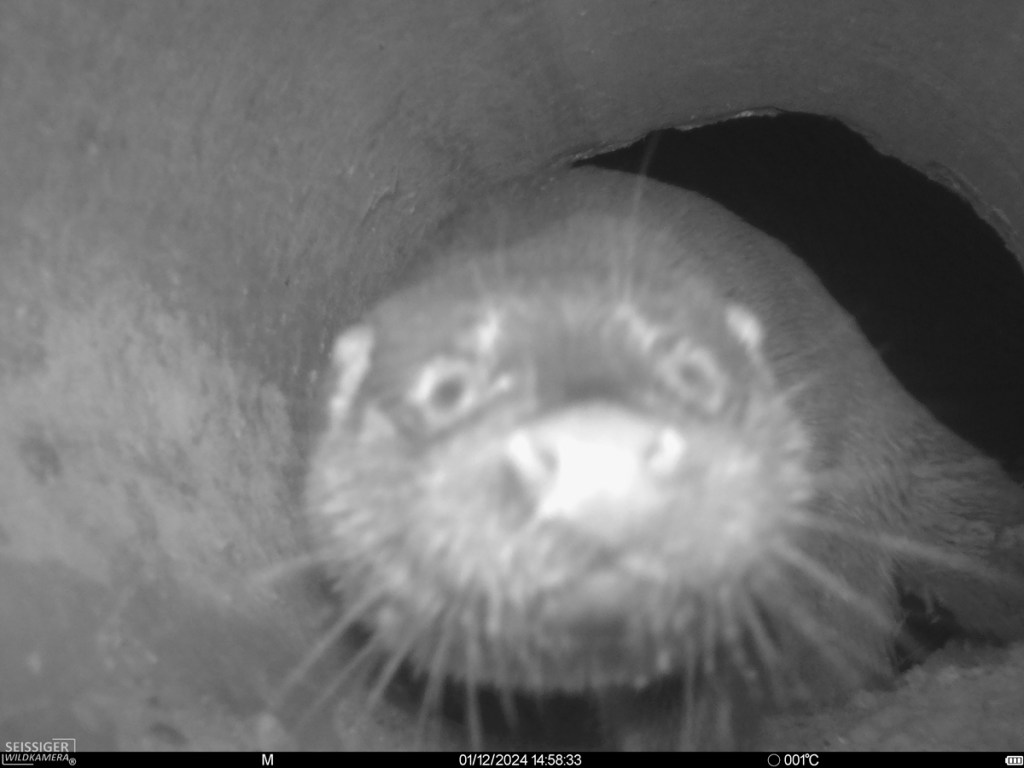
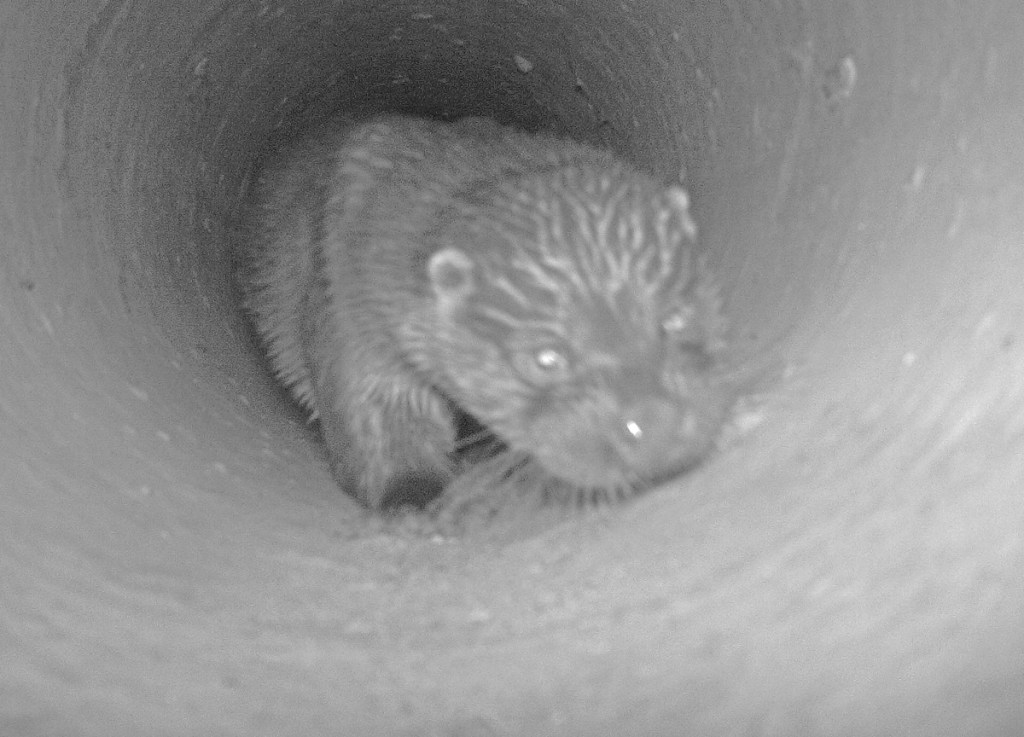
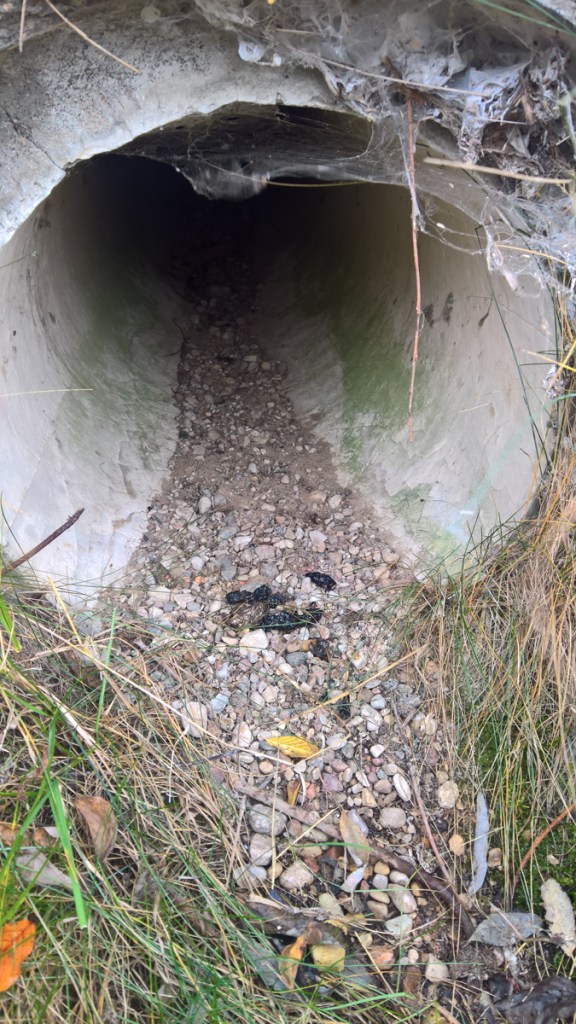
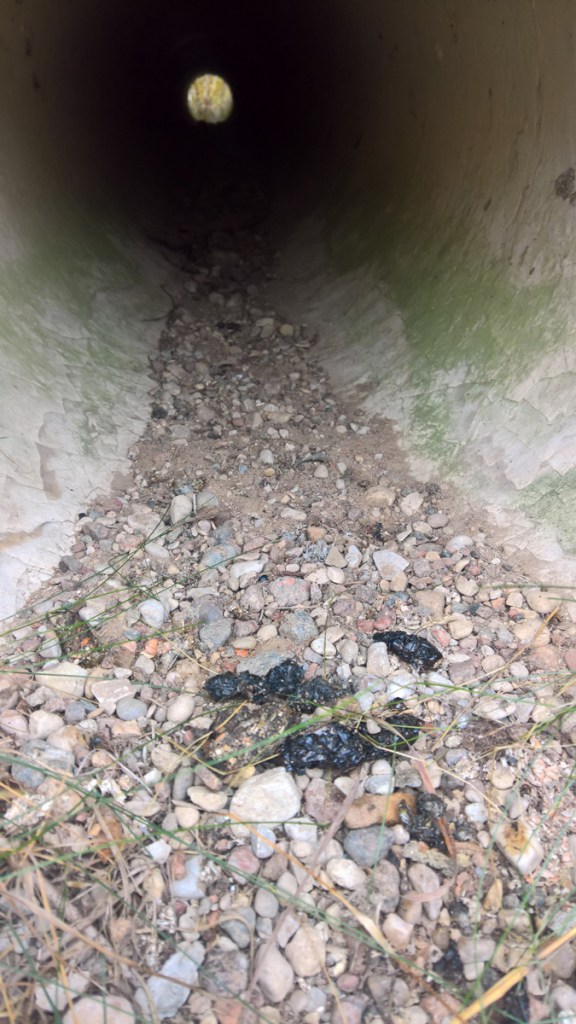
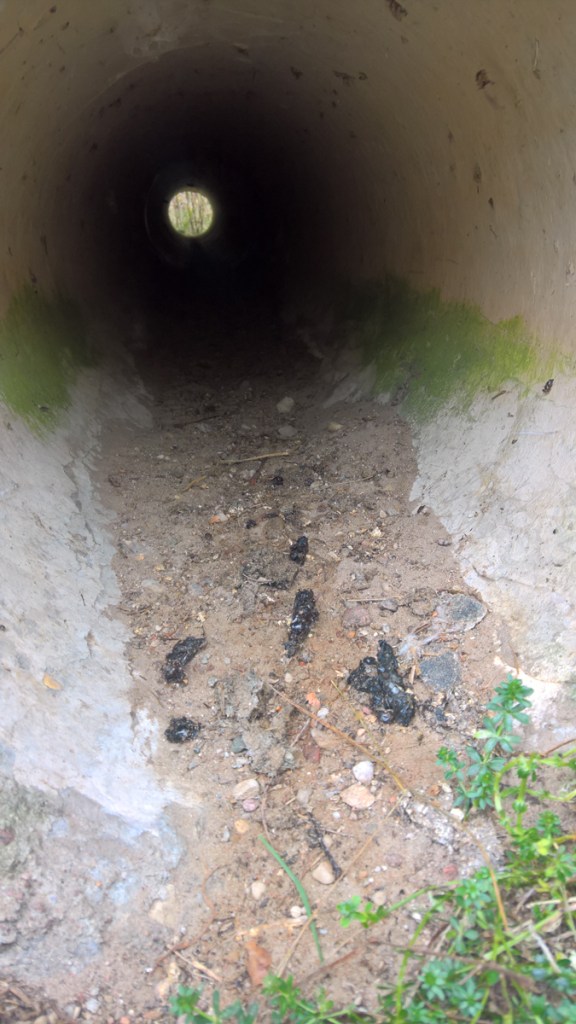
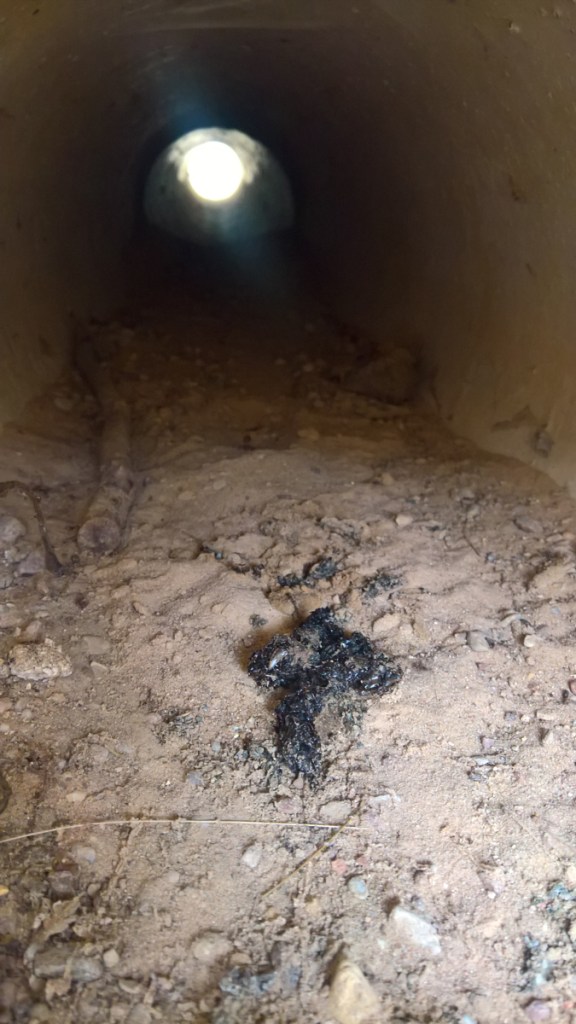
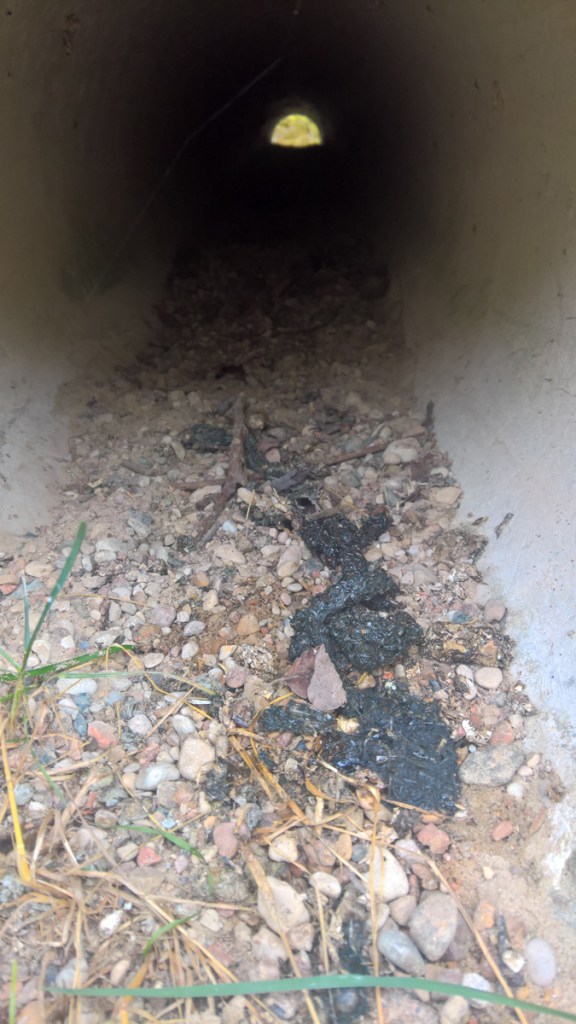
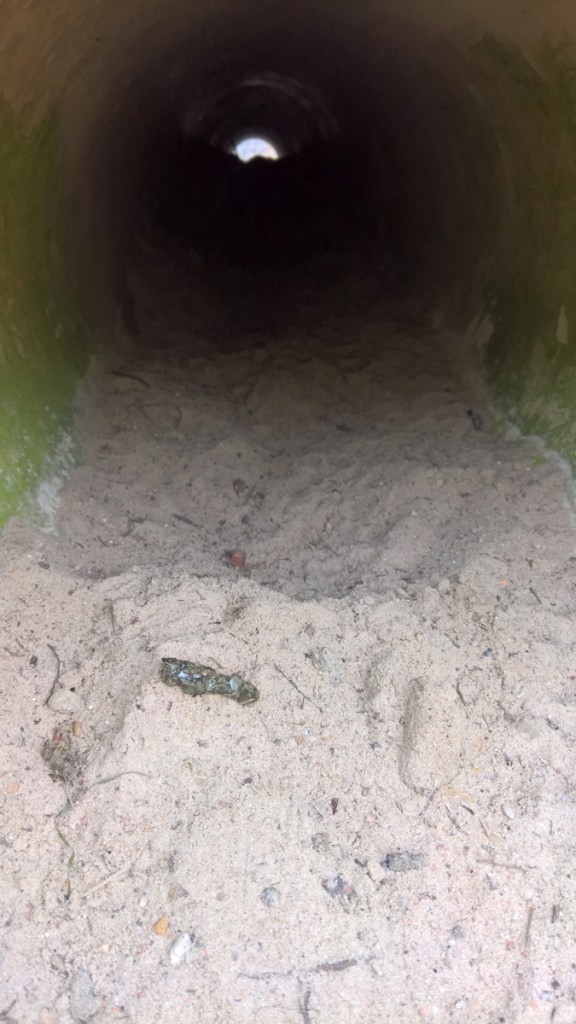
In the autumn 2024 I registered 21 otters along 13 km of the canal, while in February 2025 only one large male otter visited one open water area at pumping station along the same canal stretch.
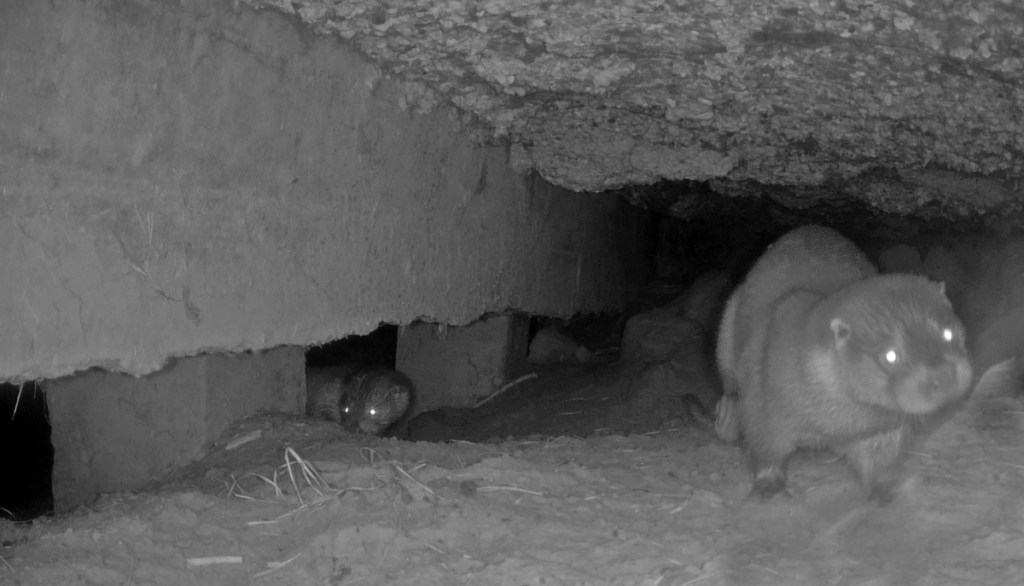
At the canal, otters also make use of places, where concrete structures meet the ground, forming cavities of various sizes. These spaces serve multiple purposes, as otters utilize them for marking their territory, sleeping, grooming, seeking shelter, and drying their wet fur.
 Zoology by Vadim Sidorovich