
Is there a relationship between initial litter size and survival to the first winter in wolf pups in Belarus?

Co-author Irina Rotenko

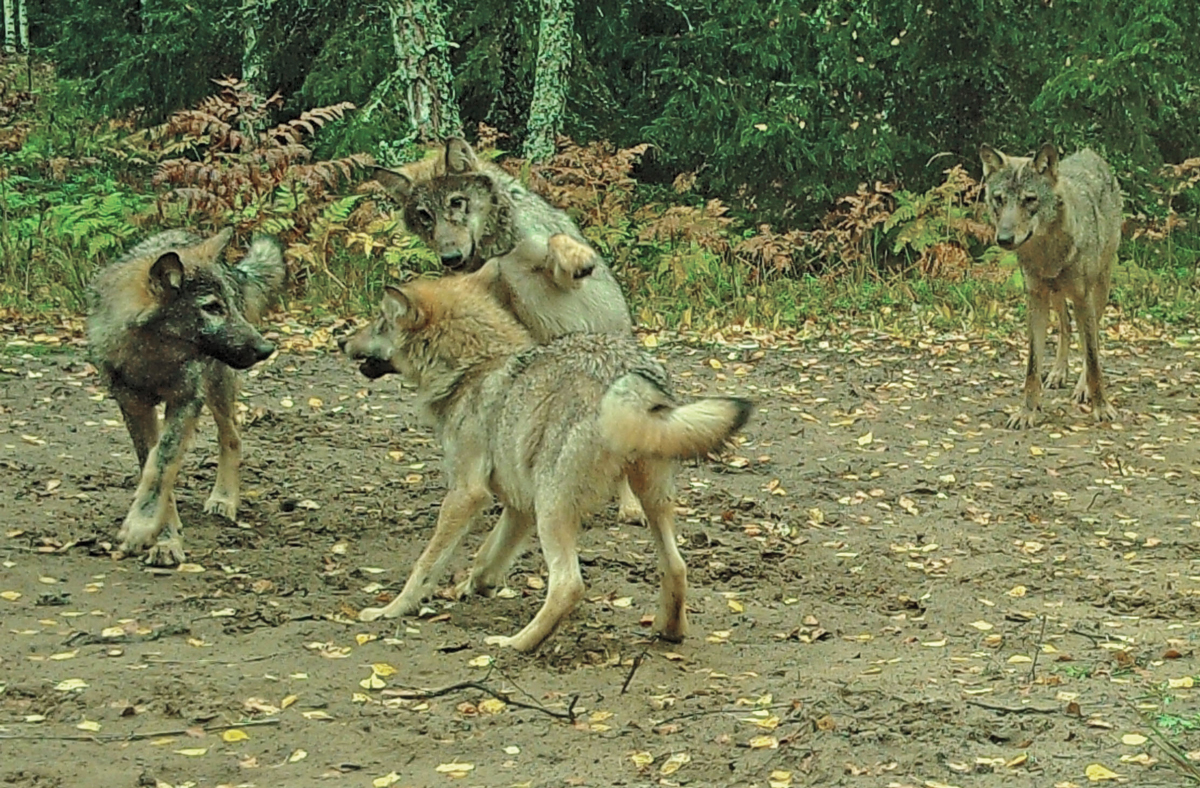
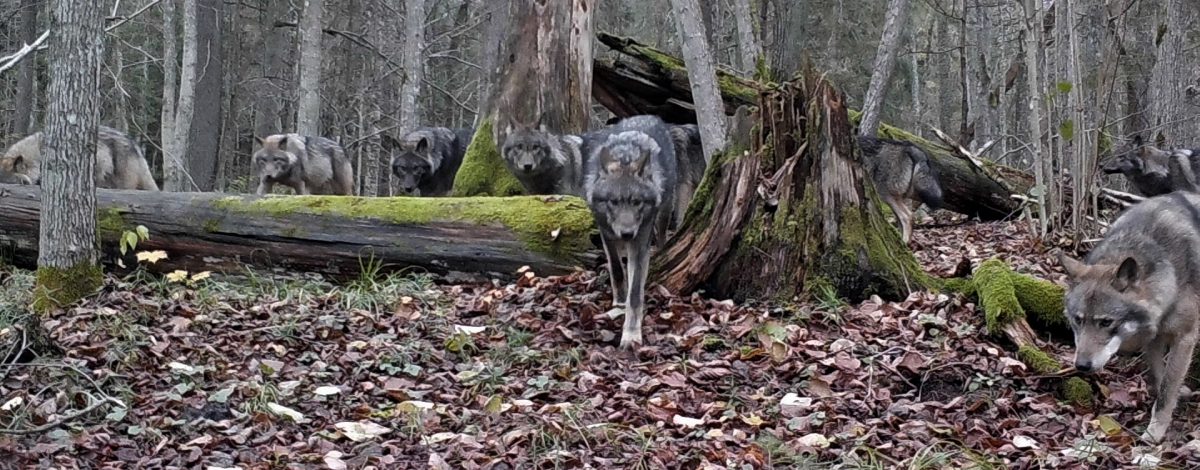
High mortality in wolf pups is a well‑known demographic bottleneck that strongly shapes wolf populations worldwide. Belarus is no exception: as documented in Sidorovich & Rotenko (2019) and in several posts on this blog, pup mortality here is particularly severe. In Belarus survival of wolf pups to the first winter is a crucial stage in the species population dynamics.

Continue reading “Is there a relationship between initial litter size and survival to the first winter in wolf pups in Belarus?”
The Reproductive Struggle of Wolves and Brown Bears: Next Steps in Our Study

Co-author Irina Rotenko

Introduction: Bear Recolonization and Lack of Reproduction

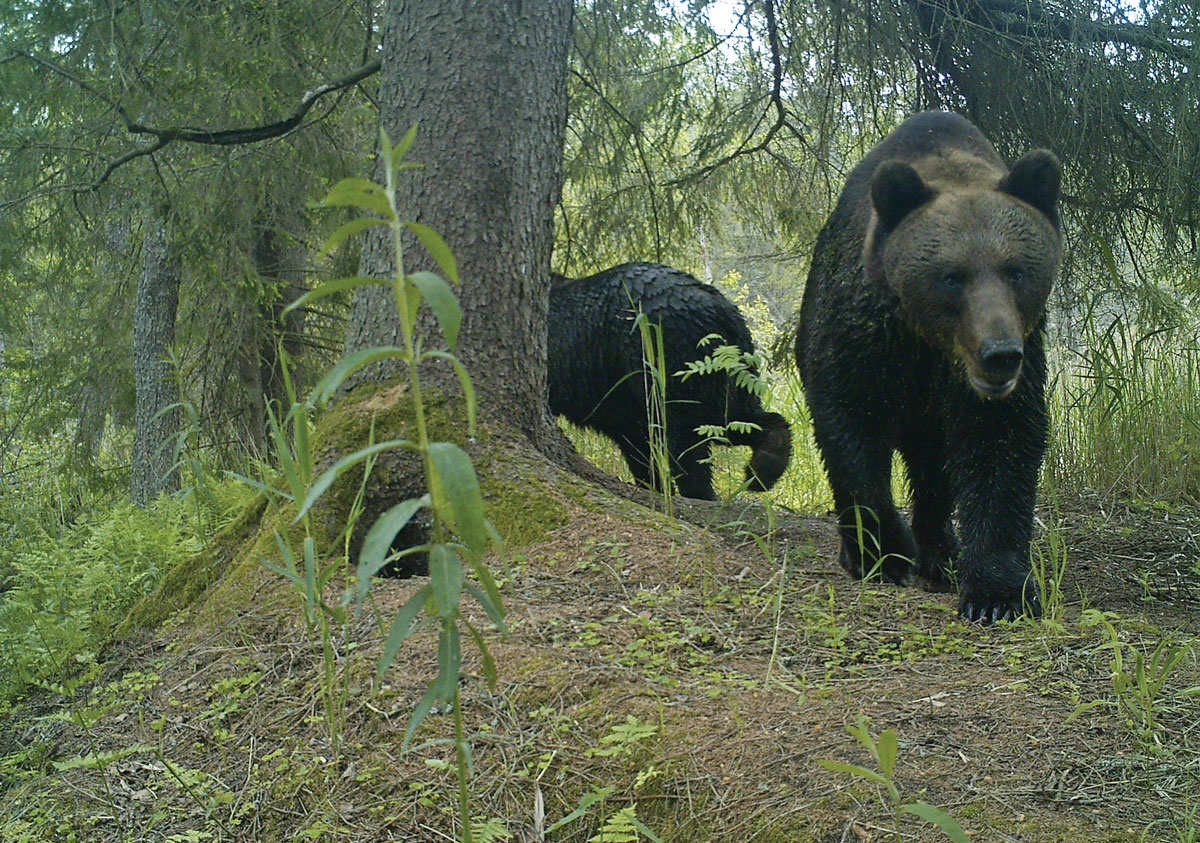
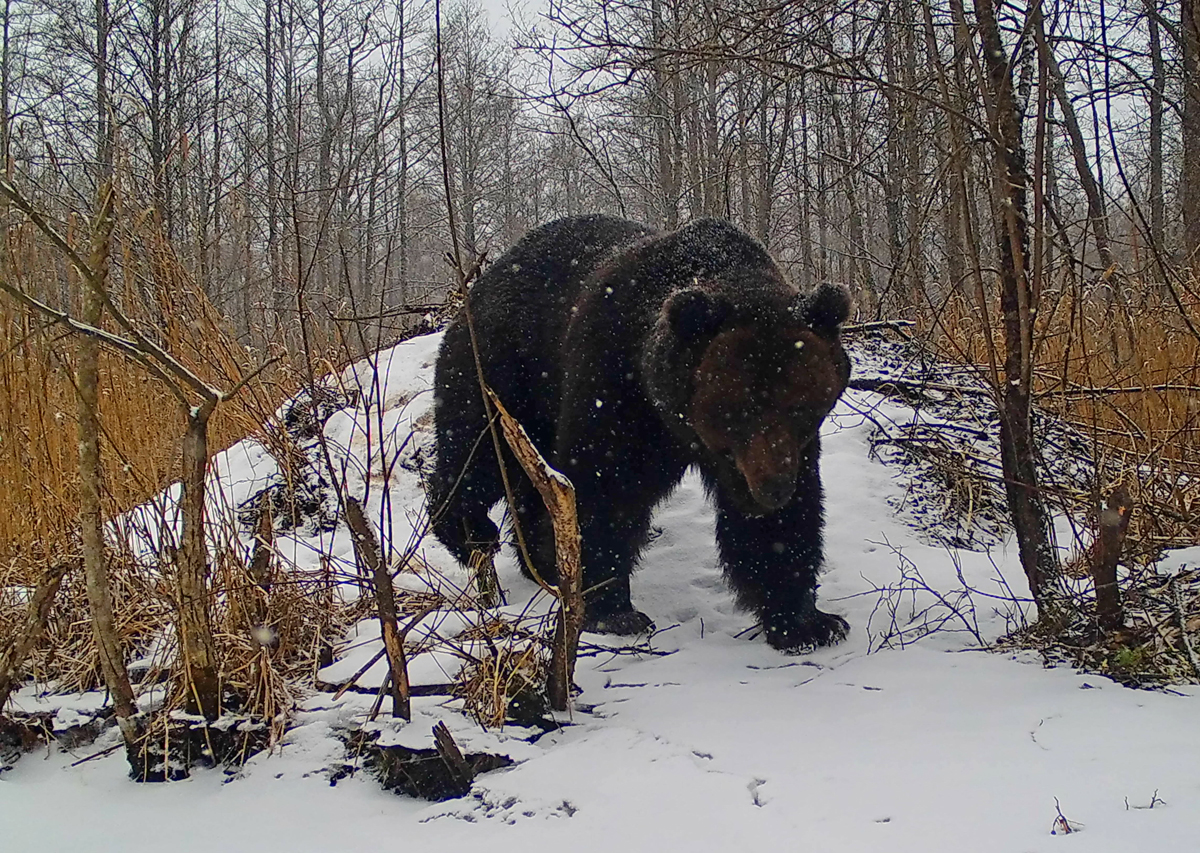
Since April 2011 brown bear began re-colonizing Naliboki Forest, where in the past the species was common. During the summer of 2018, consistent observations (mainly via camera traps) revealed seven large male individuals and one or two smaller ones of uncertain sex (presumably females, inferred from the lack of visible testes). From 2020 to 2022, in the Naliboki Forest, we identified ten to twelve brown bears, about half of which (4–7 individuals) did not have visible testes, indicating they were likely females. Despite detailed tracing of the local bear population, no reproduction (i.e. no cubs) in summer has been observed, although mating pairs have been recorded every mating season from May to June.

Continue reading “The Reproductive Struggle of Wolves and Brown Bears: Next Steps in Our Study”

Footage of a wild boar attempting to attack an adult wolf

Co-author Irina Rotenko

Recently, we captured an interesting moment when a large wild boar tried to attack an adult wolf just after it had crossed a river via a beaver dam.

Continue reading “Footage of a wild boar attempting to attack an adult wolf”

Again, higher survival of wolf pups in the conditions of lower numbers of lynxes and brown bears in summer 2025

Co-authors: Louise Giovannelli and Irina Rotenko

From mid-August to the end of October, we closely monitored the wolf families that had been registered as denning in Naliboki Forest (central-western Belarus) in late spring of this year. In addition to our spring findings, we discovered in early autumn that one breeding group had previously gone unnoticed. This group exhibited double-breeding behavior.

Continue reading “Again, higher survival of wolf pups in the conditions of lower numbers of lynxes and brown bears in summer 2025”

Outstandingly frequent marking by wolves in summer and early autumn: what does it mean?

Co-authors: Louise Giovannelli and Irina Rotenko

Usually, from May until the end of September, wolves engage in territorial marking only sparingly. Breeding individuals, in particular, tend to avoid excessive marking. Non-breeders continue territorial marking at levels similar to those in the cold season, or even noticeably less.

Continue reading “Outstandingly frequent marking by wolves in summer and early autumn: what does it mean?”

One Important Factor Overlooked in the European Mink’s Demise

As a former researcher of wild European mink populations, I should have published these findings two decades ago. But better late than never. Back then, my attention was consumed by large carnivores and their conservation challenges, and I regret having neglected other essential topics. That oversight still weighs on me.

Continue reading “One Important Factor Overlooked in the European Mink’s Demise”

Another brown bear attack on wolf pups discovered

Co-author Irina Rotenko

In late April of this year, we discovered a wolf den where the pups had been extirpated by a brown bear. Just yesterday, a new incident was recorded – another brown bear attacked wolf pups.

Continue reading “Another brown bear attack on wolf pups discovered”

The Reproductive Struggle of Brown Bears in Naliboki Forest: An Investigative Hypothesis

Co-author Irina Rotenko

Historical Context and Current State of Brown Bears

During the Great Lithuanian period, from the 16th to the 18th centuries, brown bears were abundant in the Naliboki Forest and surrounding forest massifs. Reports of hunting these animals frequently appear in the game husbandry documents of the Radziwills and other magnates. Up until the First World War, the brown bear remained a standard game species and a relatively common trophy in the hunting collections of the local elite, indicating a high-density population in the Naliboki Forest.

Continue reading “The Reproductive Struggle of Brown Bears in Naliboki Forest: An Investigative Hypothesis”

Heavy aggressive interference between wolves and brown bears in Naliboki Forest, Belarus

Coauthor Irina Rotenko

The Naliboki Forest, located in the central-western part of Belarus, is home to a dense population of wolves. Recently, brown bears have begun to populate this forested region, prompting an important question: how do these two large predators interact? Specifically, the aggressive interactions between wolves and brown bears, and the influence of their individual traits on these encounters, warrant further investigation.

Continue reading “Heavy aggressive interference between wolves and brown bears in Naliboki Forest, Belarus”

Observational insights: lynxes and wolves utilizing road pipes in Naliboki Forest

Co-authors: Alieksandr Mysiev, Irina Rotenko and Dmitry Mysiev

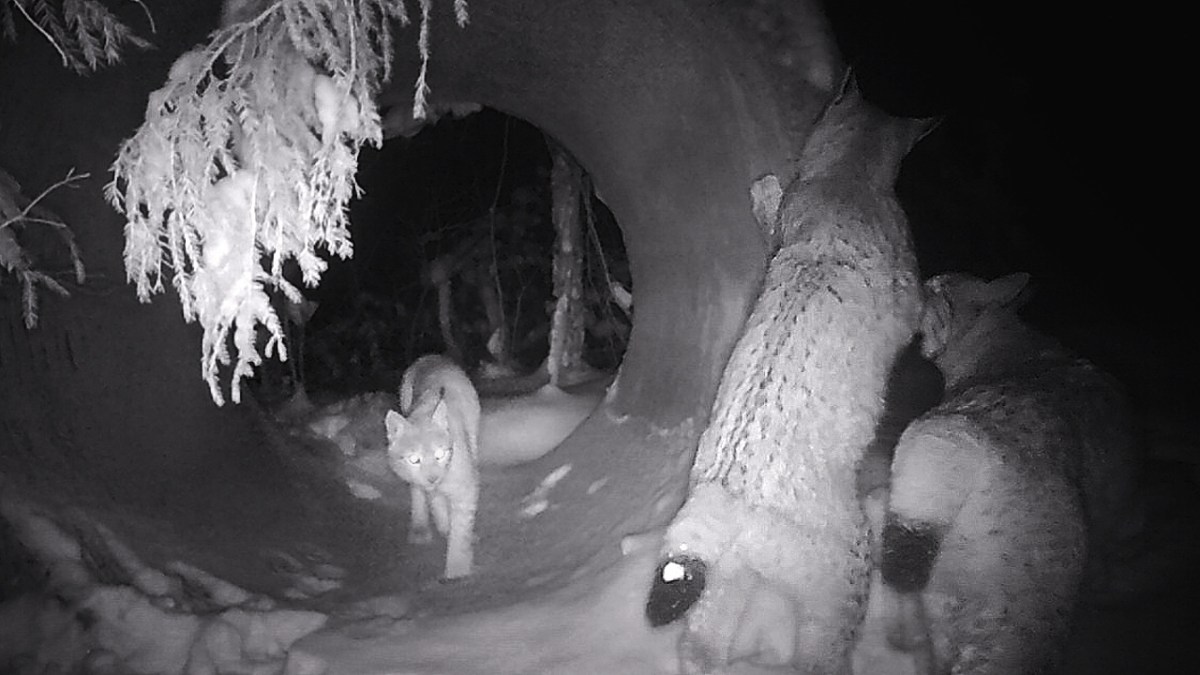
 In the winter of 2023-2024, we’ve captured two enlightening series of footage featuring large road pipes, remnants of Soviet-era construction, now seamlessly integrated into the forest’s landscape. These structures, though abandoned by humans, have found new purpose as integral parts of the local ecosystem, frequently visited by various animal species.

Continue reading “Observational insights: lynxes and wolves utilizing road pipes in Naliboki Forest”