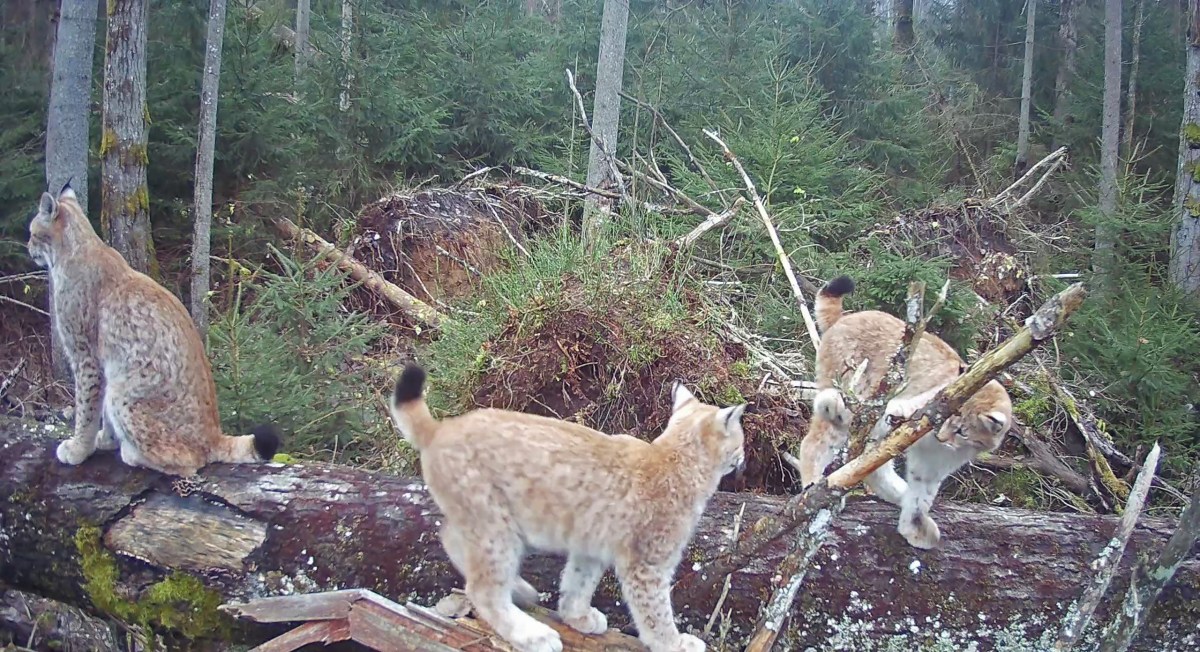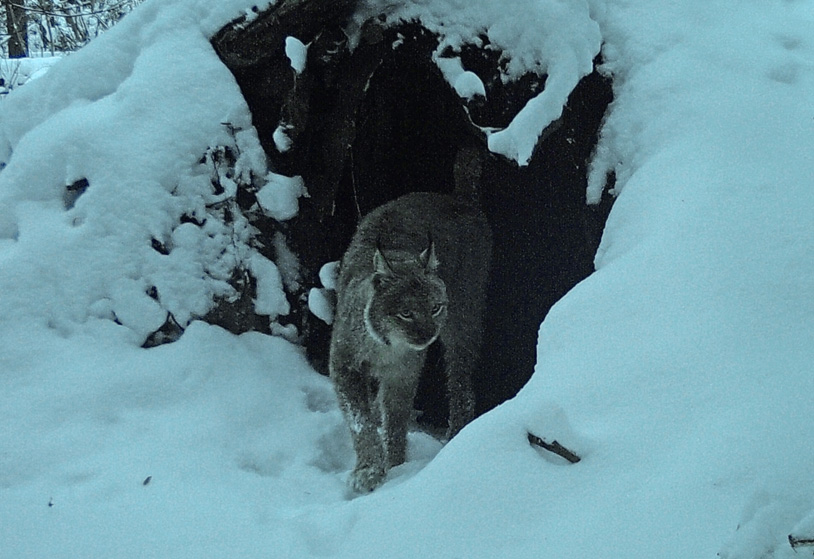

At least ten-year-old female lynx Aurelja has two kittens this year

Co-author Irina Rotenko

Eight years ago, we began following an adult female lynx in the central-southern part of Naliboki Forest, in the localities of Jamna, Budy, and Barki, covering an area of about 40–60 square kilometers. We named her Aurelja. A Belgian volunteer once snow-tracked her with a kitten for several days. The volunteer’s name was Aurelja, and she asked us to name this mother lynx after her. We agreed.

Continue reading “At least ten-year-old female lynx Aurelja has two kittens this year”

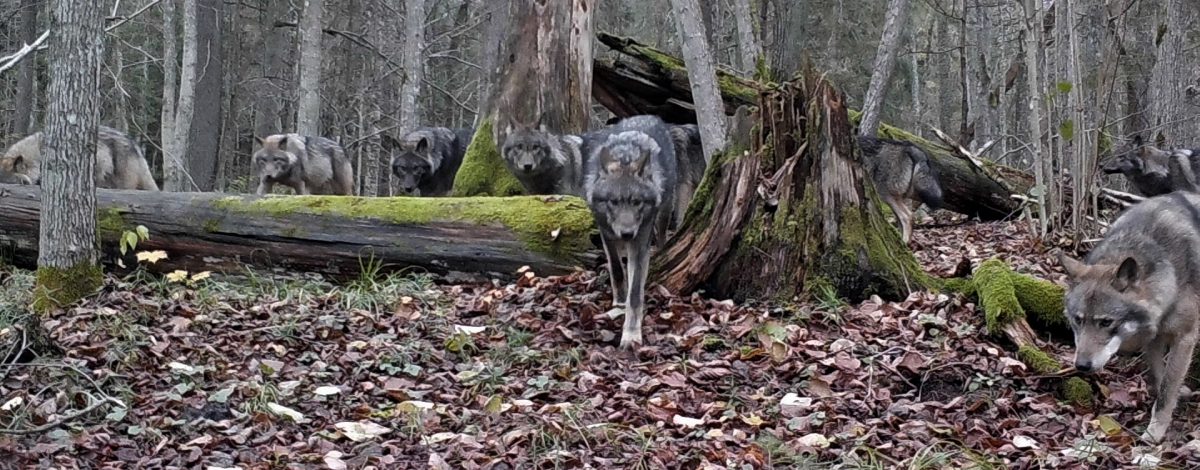
Again, higher survival of wolf pups in the conditions of lower numbers of lynxes and brown bears in summer 2025

Co-authors: Louise Giovannelli and Irina Rotenko

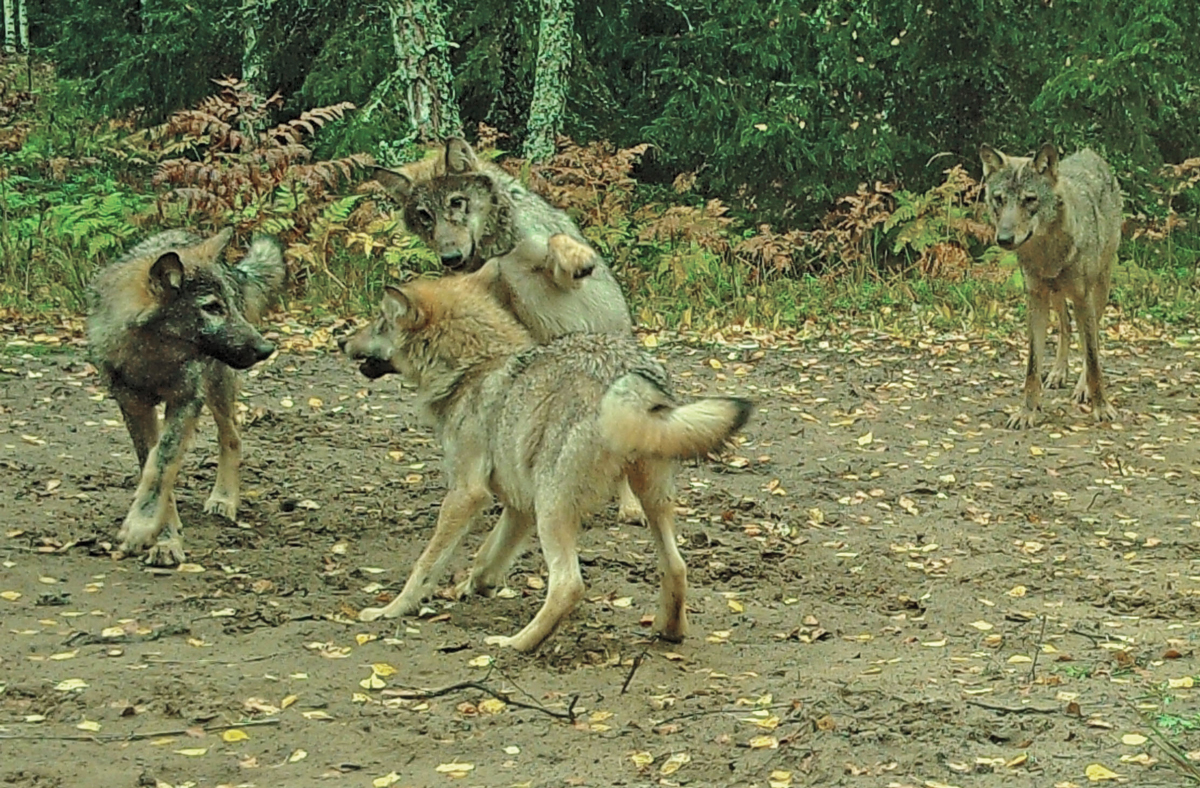
From mid-August to the end of October, we closely monitored the wolf families that had been registered as denning in Naliboki Forest (central-western Belarus) in late spring of this year. In addition to our spring findings, we discovered in early autumn that one breeding group had previously gone unnoticed. This group exhibited double-breeding behavior.

Continue reading “Again, higher survival of wolf pups in the conditions of lower numbers of lynxes and brown bears in summer 2025”

Wolf breeding clan under conditions of surplus prey abundance in Naliboki Forest: a new phenomenon

Co-author: Irina Rotenko

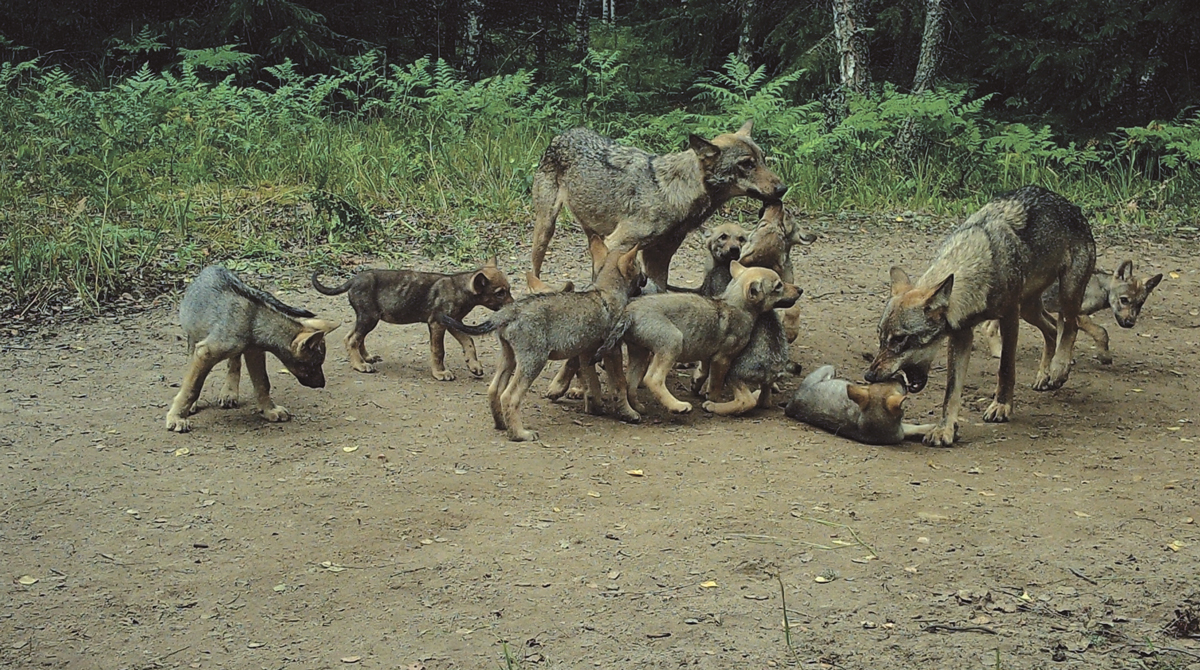
Over the last decades in Naliboki Forest (central-western Belarus), we have repeatedly documented multi-breeding wolf packs — most often double broods, occasionally triple broods. We now estimate that roughly two-thirds of wolf packs in this region reproduce in this intensive, multi-breeding strategy. This is likely driven by a combination of abundant prey and continued human persecution of wolves.

Continue reading “Wolf breeding clan under conditions of surplus prey abundance in Naliboki Forest: a new phenomenon”

Something outstanding about breeding in lynxes

Co-author Irina Rotenko

Over two decades ago, for the first time, I encountered a lynx family’s tracks showing that the mother had very small kittens in mid-December. The kittens’ footprints were almost half the size of a typical kitten’s at this time of year. A few years later, I observed this phenomenon again.

Continue reading “Something outstanding about breeding in lynxes”

One more case of lynx denning

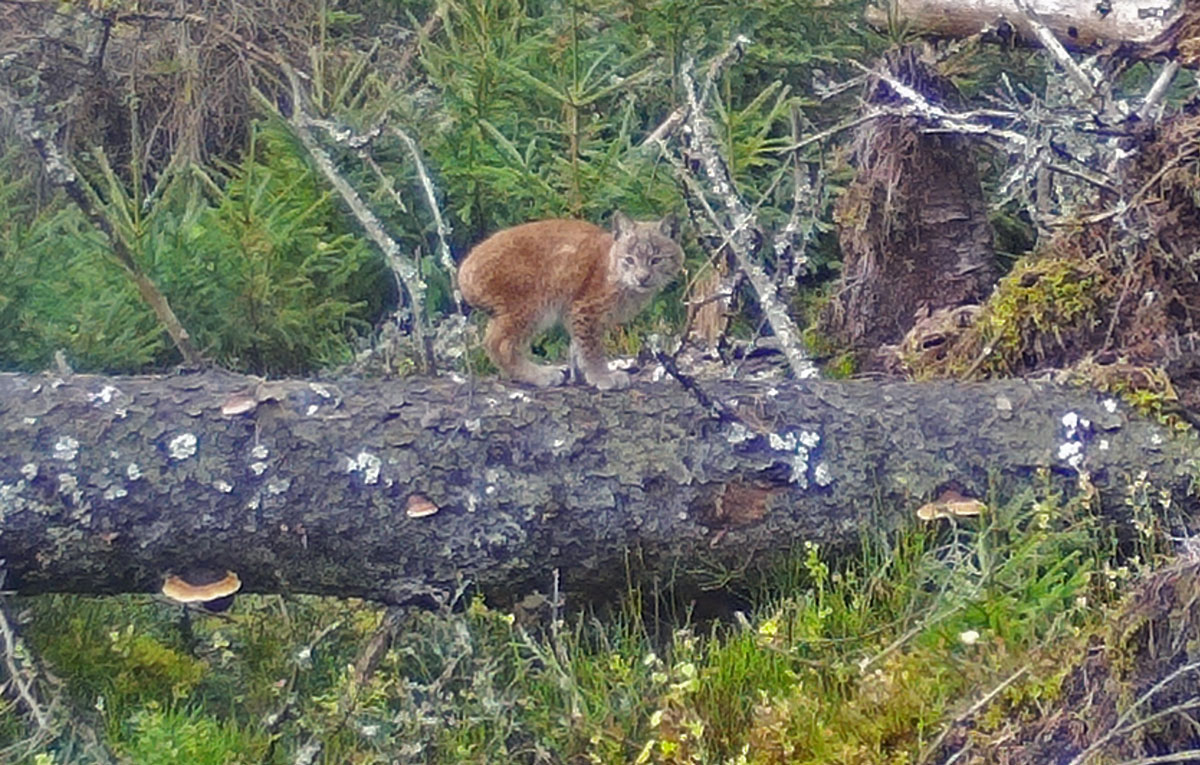
Recently, another former lynx den was discovered, which was active in the months of June and July.

Continue reading “One more case of lynx denning”

Results of wolf denning study in Naliboki Forest (April-May 2024)

Co-authors Irina Rotenko and Viktar Kasilovich

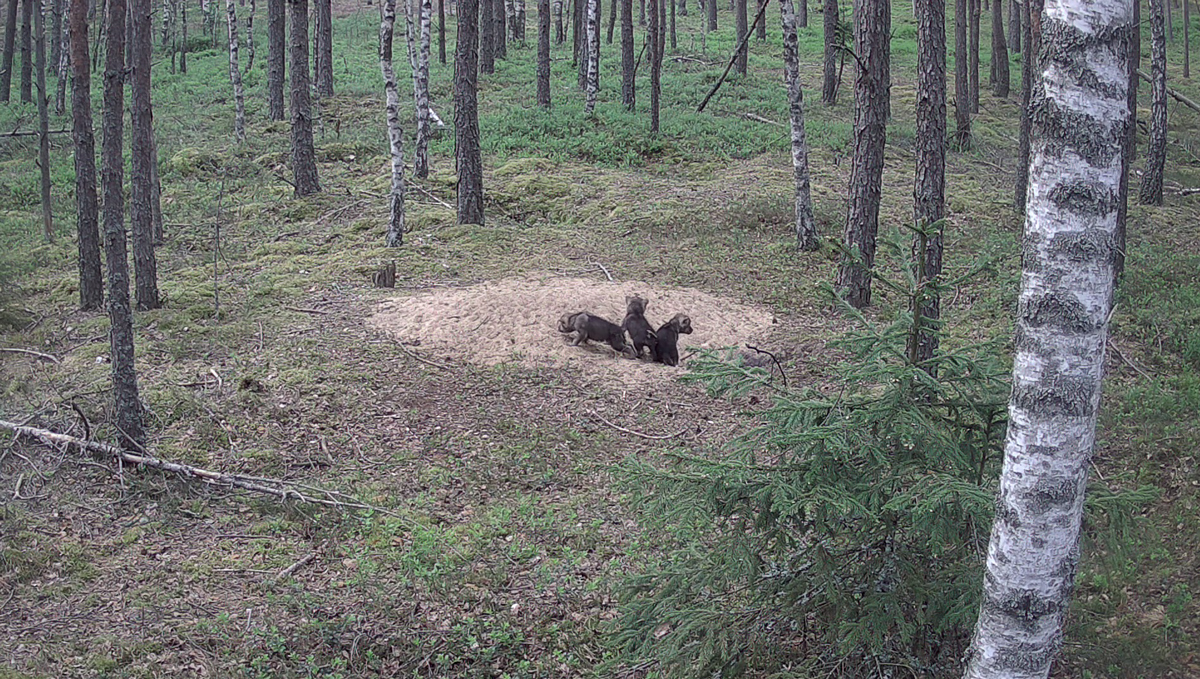
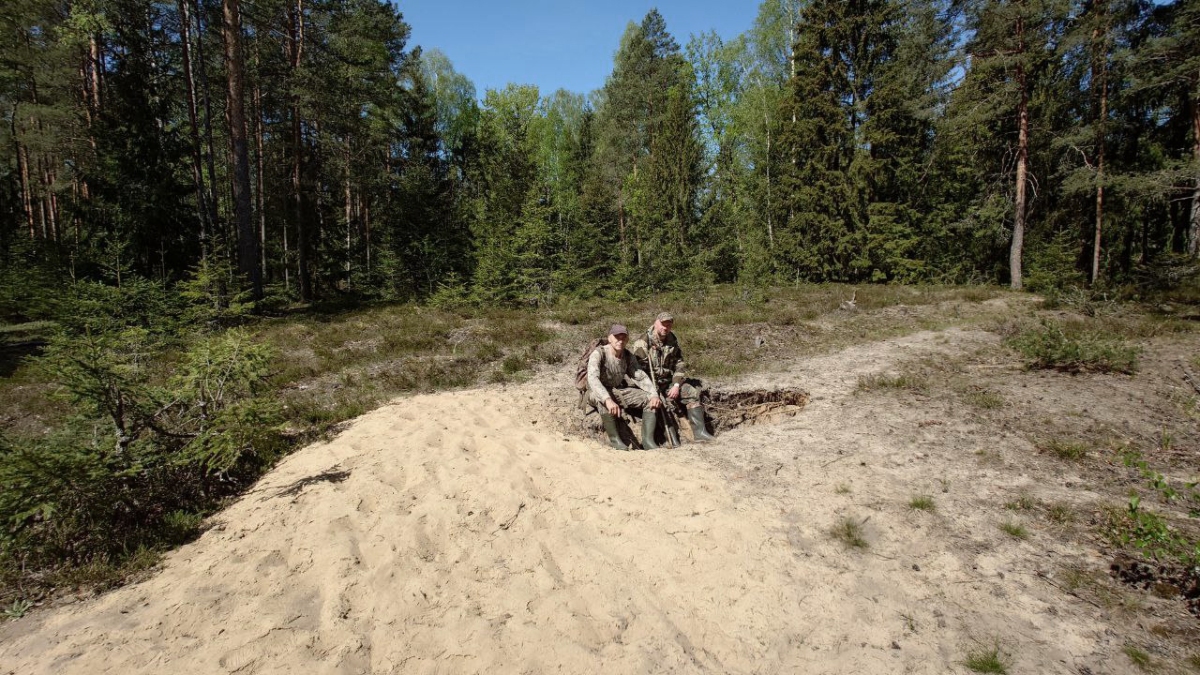
During the 2024 wolf denning season in Naliboki Forest, we initiated our study in early April and, as of early June, continue to employ camera traps to monitor three wolf families with pups. Our previous research (Sidorovich and Rotenko, 2019, along with several blog posts) indicated that lynxes, brown bears, and bison exhibit aggressive behavior towards wolf breeding. Additionally, red deer and elks have been known to attack wolf dens housing pups and those with roaming young pups. Regarding the aforementioned wild mammals previously identified as antagonistic to wolf breeding in Naliboki Forest, we have observed changes in their numbers and distribution compared to previous years.

Continue reading “Results of wolf denning study in Naliboki Forest (April-May 2024)”

Heavy aggressive interference between wolves and brown bears in Naliboki Forest, Belarus

Coauthor Irina Rotenko

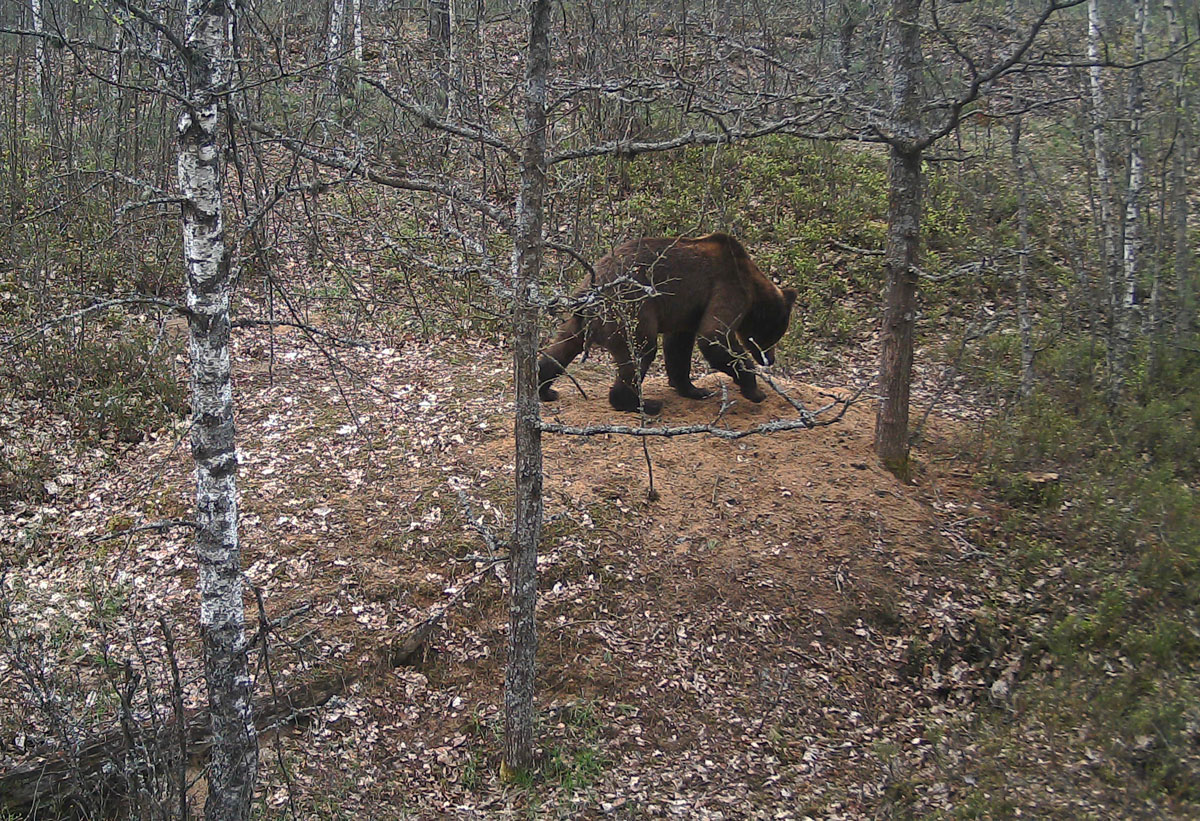
The Naliboki Forest, located in the central-western part of Belarus, is home to a dense population of wolves. Recently, brown bears have begun to populate this forested region, prompting an important question: how do these two large predators interact? Specifically, the aggressive interactions between wolves and brown bears, and the influence of their individual traits on these encounters, warrant further investigation.

Continue reading “Heavy aggressive interference between wolves and brown bears in Naliboki Forest, Belarus”

Brown bear attack on a wolf den in Naliboki Forest, central-western Belarus

Co-author Irina Rotenko

Every May we continue our long-term study on behaviour and ecology of denning wolves. Since 2004 the terrain of Naliboki Forest (the central-western part of Belarus) has been the main study area for the question. Since 2018 the brown bear has become more or less common there. It appears possible to investigate the interspecific interactions of brown bears and wolves and particularly during denning period in wolves.

Continue reading “Brown bear attack on a wolf den in Naliboki Forest, central-western Belarus”

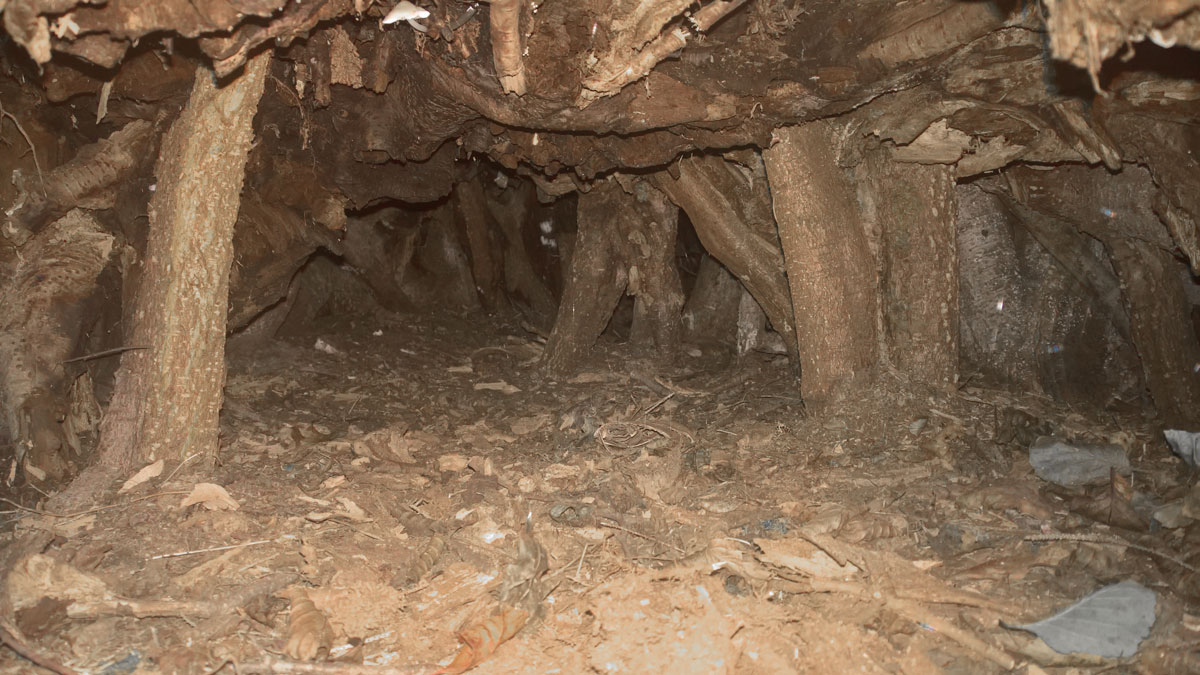
Using of cavity-shelters by Eurasian lynxes in Belarus as non-rocky forested region

Coauthor Irina Rotenko

In mountain rocky regions it is well-known that Eurasian lynxes use cavity-shelters that situated under or between rocks, whereas in non-rocky forested regions such a behaviour of the species is not so evident. Recently we found that lynxes use cavity-shelters in such habitats a lot, too. We investigated this question on lynx behaviour in Naliboki Forest (central-western Belarus) by means of camera-trapping, snowtracking and detailed inspection of lynx habitats with checking for lynx hair.

Continue reading “Using of cavity-shelters by Eurasian lynxes in Belarus as non-rocky forested region”

Breeding wolf couples without pups

Coauthor Irina Rotenko

In May 2020 we traced four breeding groups of wolves in the model area (about 1000 square km) of Naliboki Forest, the central-western part of Belarus. There were mating registered in all these wolf groups in the period from the late January till the mid-March. According to the obtained information from the camera-traps and by reading of activity signs, it looked like all the adult females of wolves got into heat and mated.

Continue reading “Breeding wolf couples without pups”