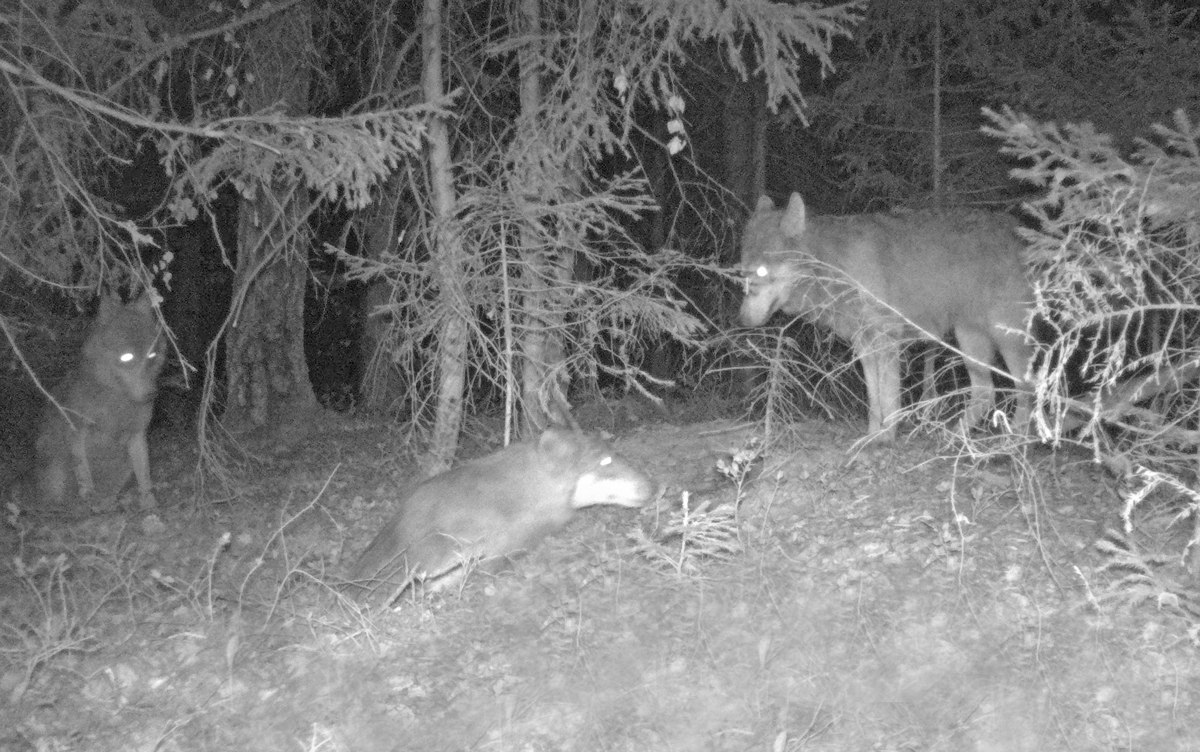
Study on the wolf breeding in Naliboki Forest (April-May 2025): a short report

Co-authors: Louise Giovannelli and Irina Rotenko

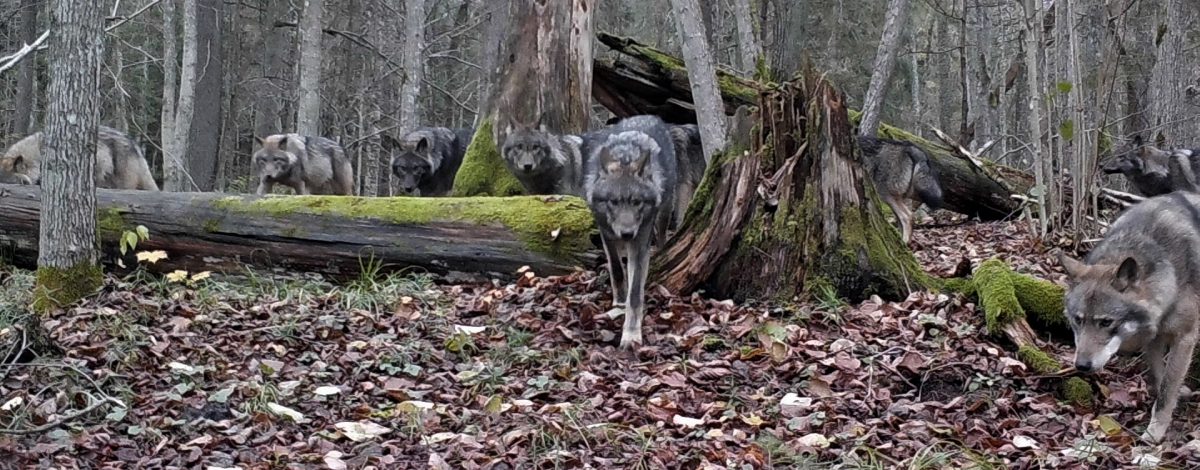
Throughout April and May 2025, we conducted a study on wolf breeding within the Naliboki Forest (the central-western region of Belarus), covering an area of approximately 1,800 square kilometers.

Continue reading “Study on the wolf breeding in Naliboki Forest (April-May 2025): a short report”
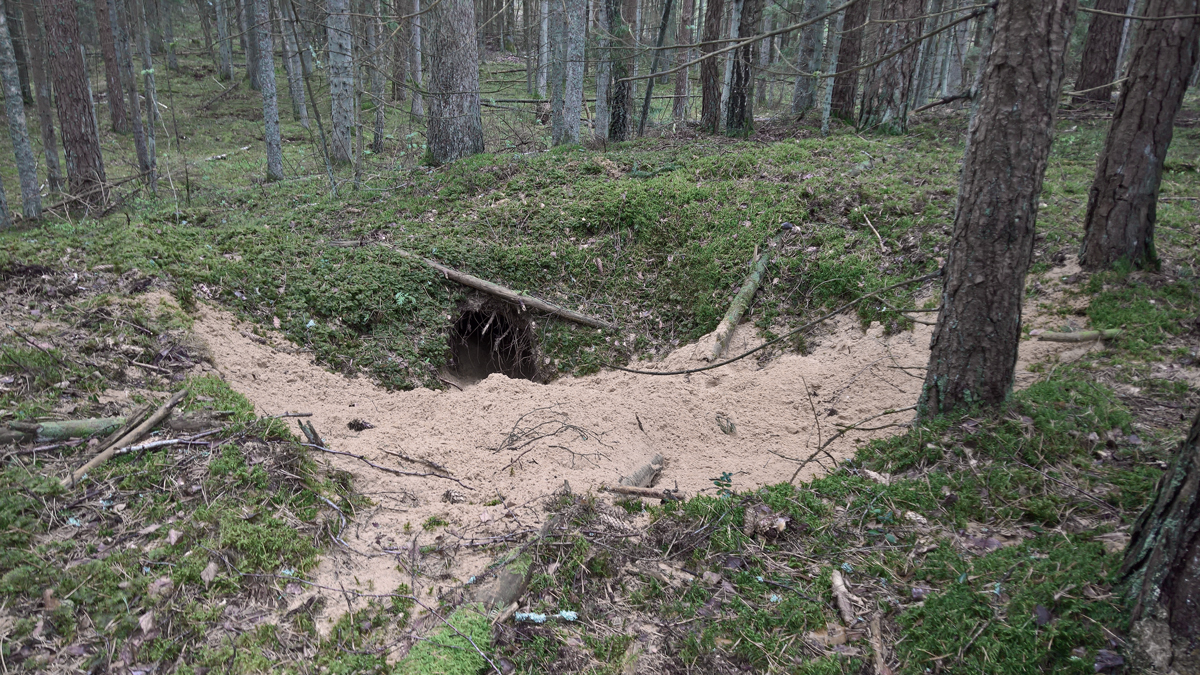
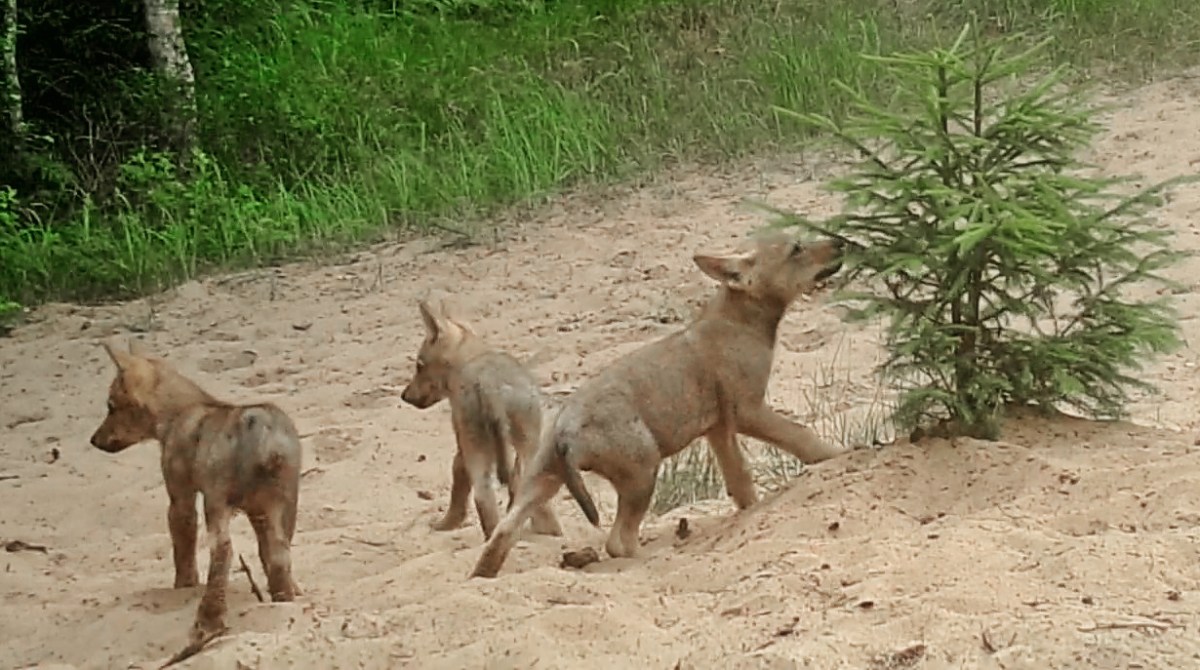
Abundance of signs of denning in wolves in relation to weather

Co-authors: Irina Rotenko and Louise Giovannelli

In this short post, we examine the clear relationship between the abundance of wolf denning signs and weather conditions during the denning period in wolves in Naliboki Forest, the central-western region of Belarus.

Continue reading “Abundance of signs of denning in wolves in relation to weather”

Unusually early wolf denning this spring

Co-authors: Louise Giovannelli and Irina Rotenko

In Belarus, female wolves typically give birth between the end of April and the end of May, with about two-thirds of litters emerging by May 10th. Before 2010, significantly earlier parturition was very rare.

Continue reading “Unusually early wolf denning this spring”

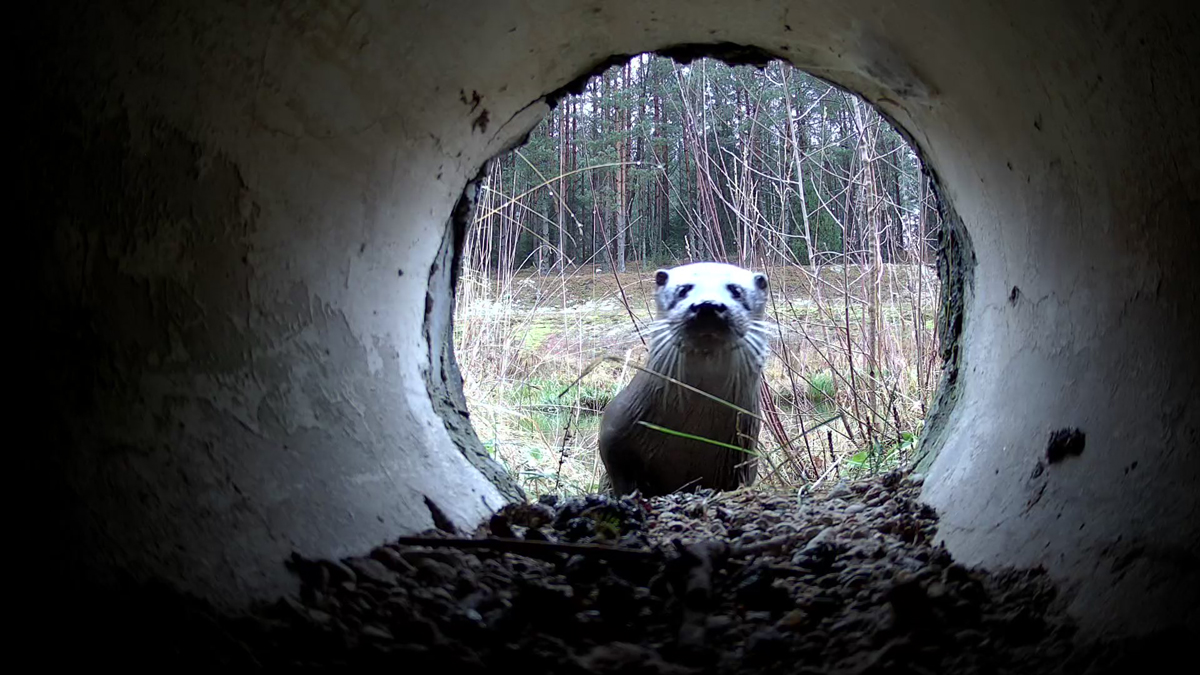
Otters at the Vilija-Minsk water supply canal

Between 1987 and 1992, I conducted regular studies on otters at the Vilija-Minsk water supply canal. The research primarily focused on assessing the otters’ diet within this artificial habitat and analyzing their distribution along the canal and its surroundings. However, the study was not completed as initially planned. Since last autumn, I have resumed my research on otters in the area, although behavioral aspects were largely unexplored in the past. Now, we are examining otter behavior using camera traps.

Continue reading “Otters at the Vilija-Minsk water supply canal”

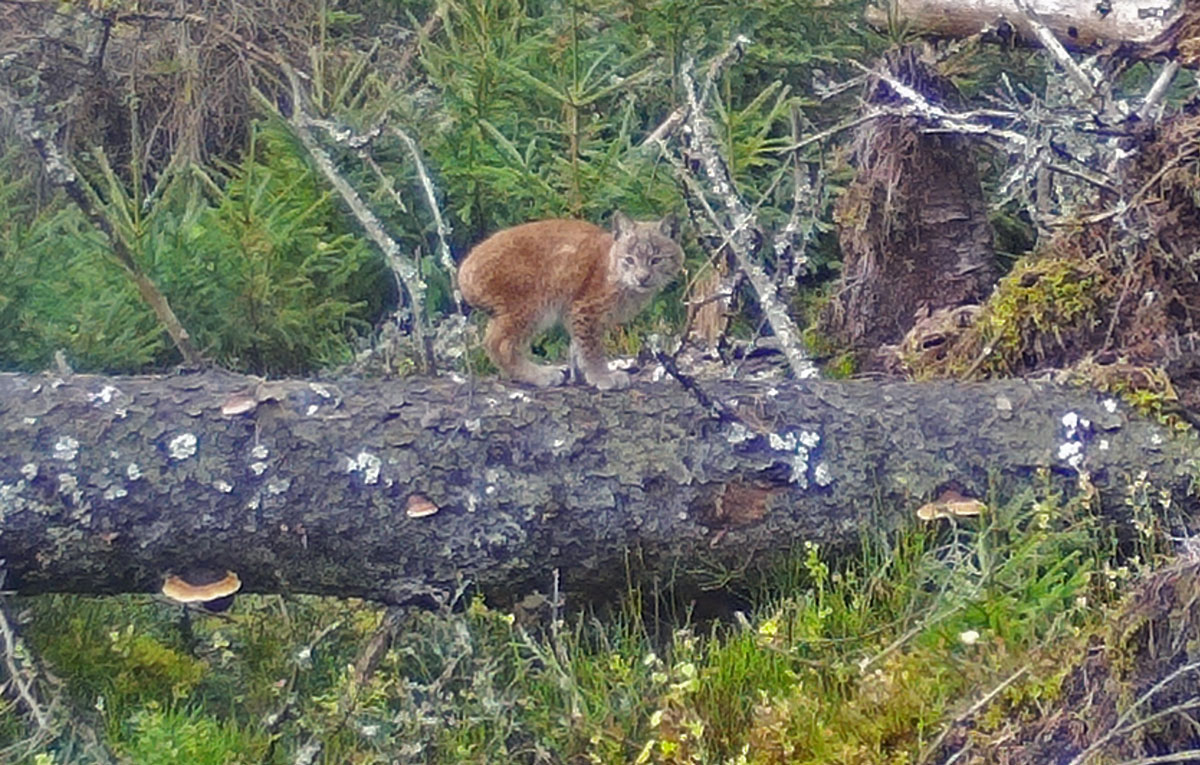
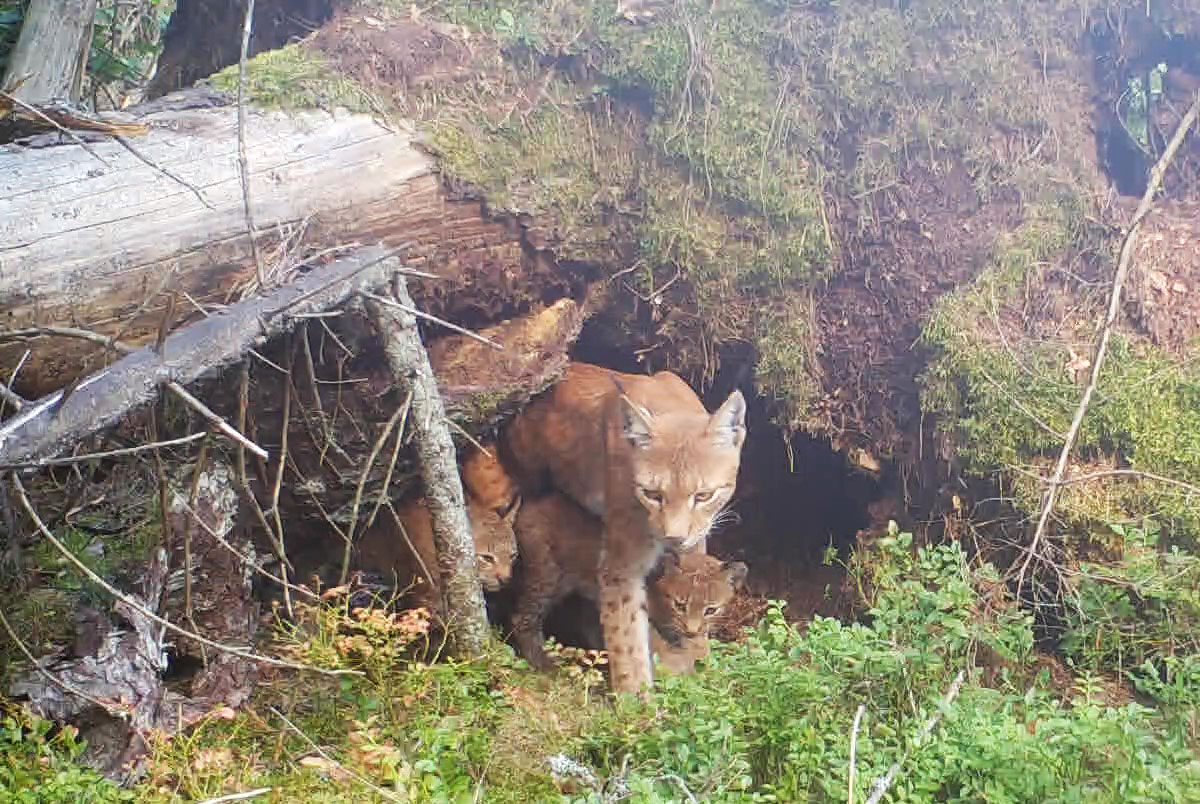
Something outstanding about breeding in lynxes

Co-author Irina Rotenko

Over two decades ago, for the first time, I encountered a lynx family’s tracks showing that the mother had very small kittens in mid-December. The kittens’ footprints were almost half the size of a typical kitten’s at this time of year. A few years later, I observed this phenomenon again.

Continue reading “Something outstanding about breeding in lynxes”

Adult male assistance in lynxes in Belarus: ideas and inferences

Co-author Irina Rotenko

In mammals, it is not uncommon for adult males to assist mothers or engage in continuous fathering, and the lynx species Lynx lynx shows such behavior as well.

Continue reading “Adult male assistance in lynxes in Belarus: ideas and inferences”

One more case of lynx denning

Recently, another former lynx den was discovered, which was active in the months of June and July.

Continue reading “One more case of lynx denning”

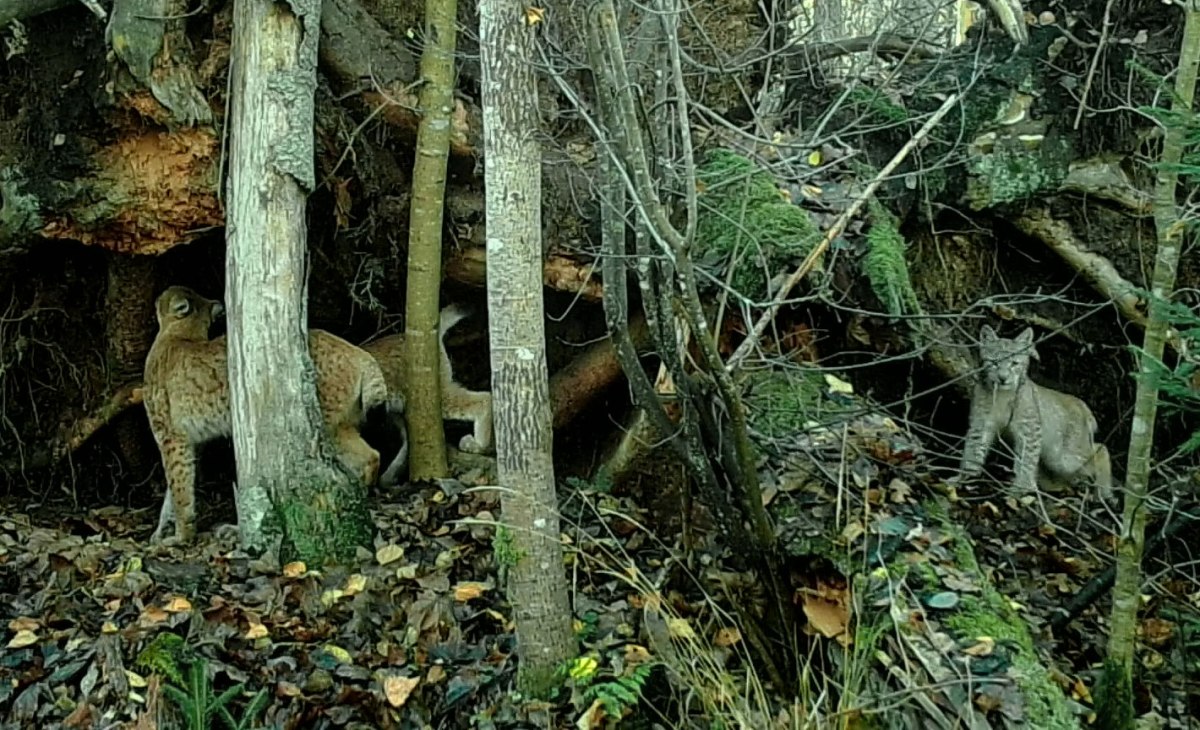
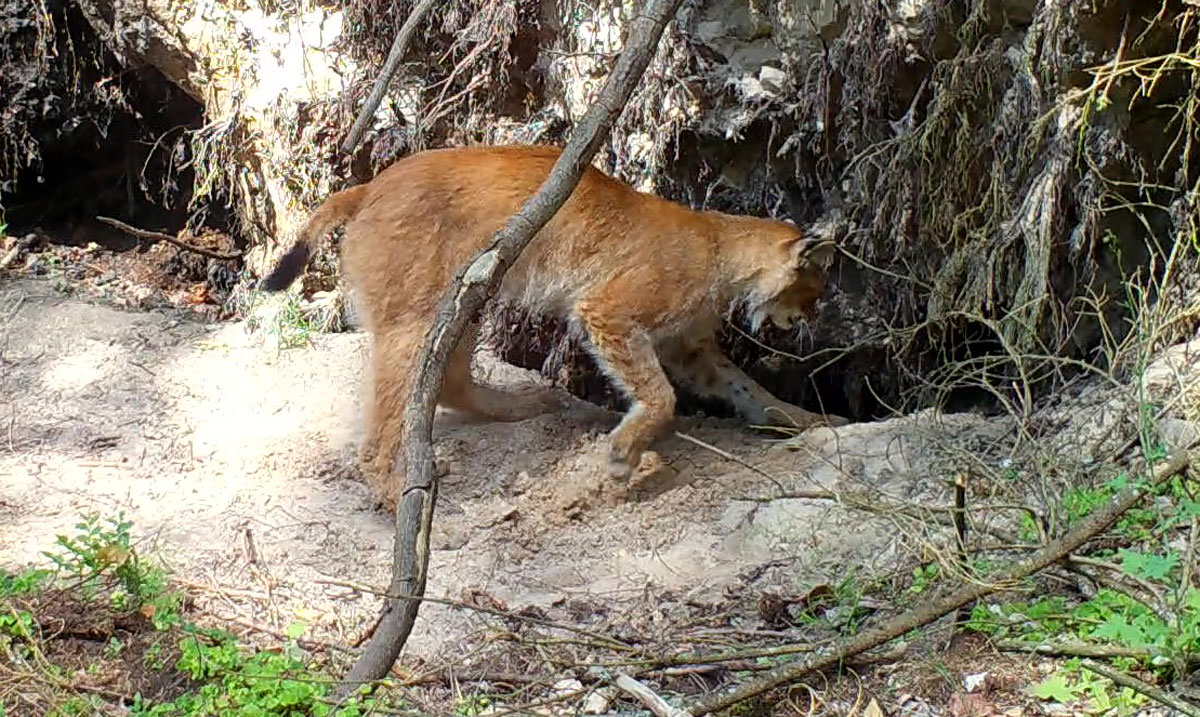
Accommodating a yearling male lynx in the original den where it was reared

Co-author Irina Rotenko

At the start of June, we discovered wolf pup tracks alongside numerous lynx footprints nestled between the root plates of two toppled spruces. We installed a camera trap at this location. Following our visit, the wolf pack seemed to have moved elsewhere. The camera trap documented numerically repeated visits by a yearling male lynx.

Continue reading “Accommodating a yearling male lynx in the original den where it was reared”

Tracking the denning behavior of a model female lynx during the summer of 2024

Co-author Irina Rotenko

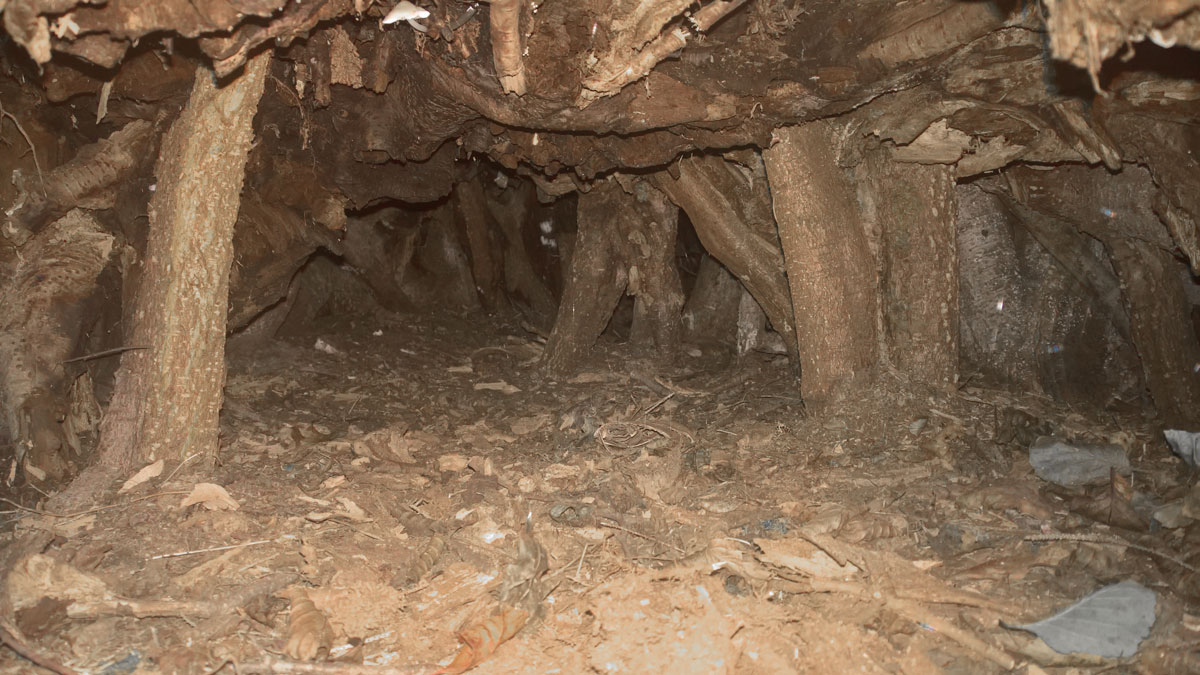
In mid-May 2023, an adult female lynx, whom we refer to as Mikhalina, gave birth within a densely layered treefall spanning approximately three hectares. She had three kittens. The following two photos depict the treefall.

Continue reading “Tracking the denning behavior of a model female lynx during the summer of 2024”

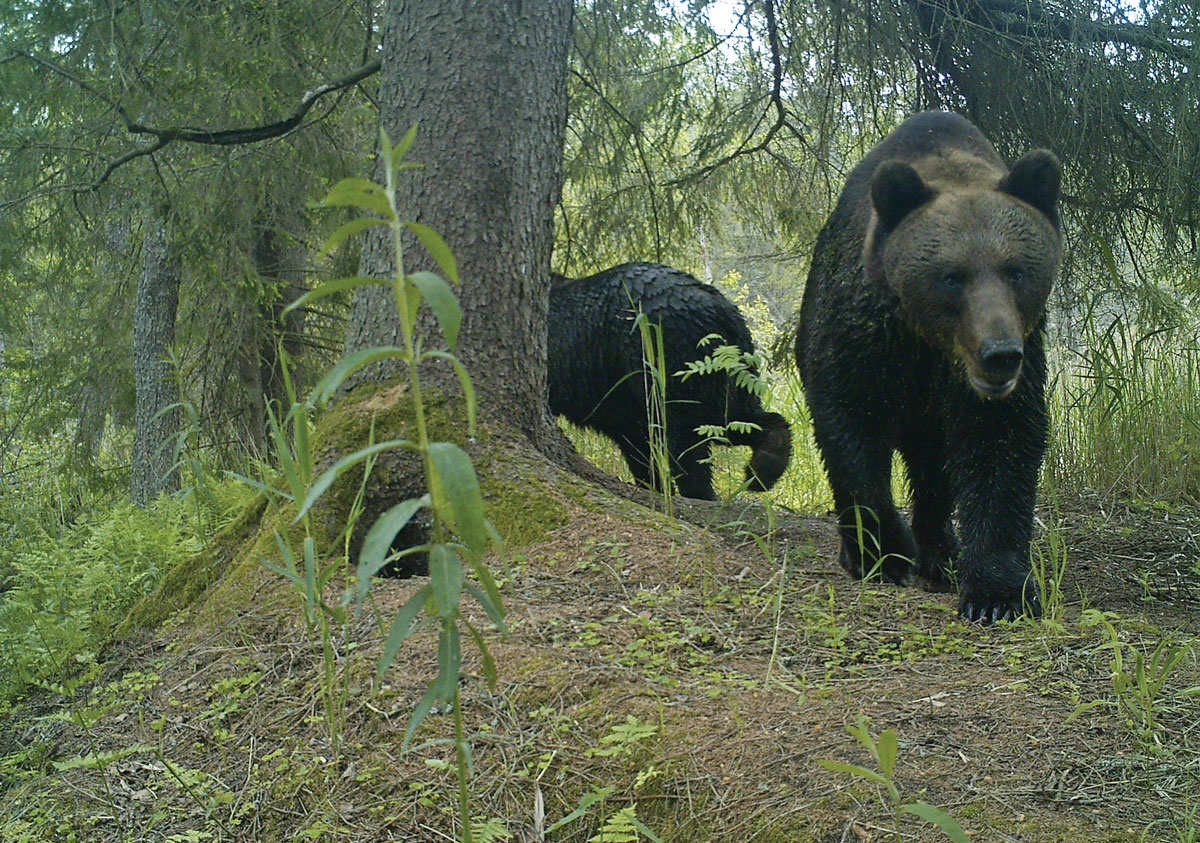
The Reproductive Struggle of Brown Bears in Naliboki Forest: An Investigative Hypothesis

Co-author Irina Rotenko

Historical Context and Current State of Brown Bears

During the Great Lithuanian period, from the 16th to the 18th centuries, brown bears were abundant in the Naliboki Forest and surrounding forest massifs. Reports of hunting these animals frequently appear in the game husbandry documents of the Radziwills and other magnates. Up until the First World War, the brown bear remained a standard game species and a relatively common trophy in the hunting collections of the local elite, indicating a high-density population in the Naliboki Forest.

Continue reading “The Reproductive Struggle of Brown Bears in Naliboki Forest: An Investigative Hypothesis”